







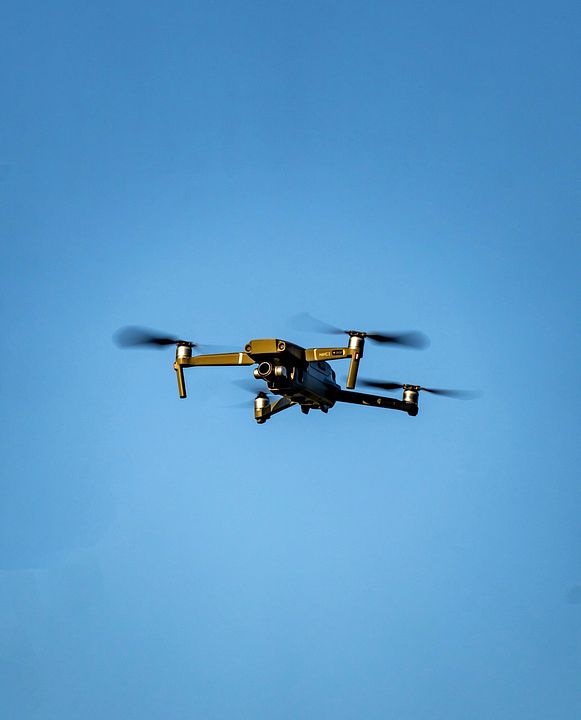
The landscape of modern warfare is rapidly evolving, and at the forefront of this transformation is the innovative use of First-Person View (FPV) drones. Ukraine, facing unprecedented challenges, has become a hotbed for the development and deployment of these tactical tools. By 2025, “Made in Ukraine” FPV drones are expected to play an even more significant role, marked by advancements in drone swarms, enhanced EW protection, and increasingly effective low-cost strike capabilities.
The Rise of Ukrainian Drone Warfare
Since the onset of the conflict, Ukraine has demonstrated remarkable ingenuity in adapting and leveraging drone technology. Initially relying on commercially available drones for reconnaissance, the focus quickly shifted to developing and deploying FPV drones for direct combat. This transition was fueled by necessity and a desire to level the playing field against a technologically superior adversary. The success of Ukrainian drone warfare hinges on its ability to innovate quickly and adapt to constantly changing battlefield dynamics.
This adaptation is not just about replicating existing technologies but pushing the boundaries of what’s possible with limited resources. Ukrainian engineers are focused on creating drones that are not only effective but also affordable and easily mass-produced. This focus is critical for sustaining operations and maintaining a strategic advantage.
Drone Swarms: A Force Multiplier
One of the most promising developments in Ukrainian FPV drone technology is the concept of drone swarms. These swarms involve coordinating multiple drones to act as a single, cohesive unit. By 2025, it is anticipated that Ukrainian drone swarms will be significantly more sophisticated, capable of performing complex tasks such as coordinated strikes, reconnaissance missions, and electronic warfare operations.
Advantages of Drone Swarms
- Increased Effectiveness: A swarm of drones can overwhelm enemy defenses and saturate target areas, significantly increasing the likelihood of a successful strike.
- Redundancy: If one drone is disabled, the others can continue the mission, ensuring that critical objectives are achieved.
- Flexibility: Drone swarms can be rapidly deployed and repurposed for a wide range of missions, providing commanders with unprecedented flexibility on the battlefield.
The development of effective drone swarms requires advanced algorithms for coordination, communication, and control. Ukrainian engineers are actively working on these technologies, leveraging AI and machine learning to create autonomous swarms that can operate with minimal human intervention.
Enhanced EW Protection
Electronic warfare (EW) is a critical aspect of modern conflict, and FPV drones are particularly vulnerable to jamming and spoofing. To counter these threats, Ukrainian engineers are developing advanced EW protection measures. By 2025, these measures are expected to be significantly more robust, allowing drones to operate effectively in contested electronic environments.
Key EW Protection Technologies
- Frequency Hopping: Rapidly changing the drone’s operating frequency to avoid jamming.
- Anti-Spoofing Measures: Secure communication protocols to prevent the drone from being controlled by the enemy.
- Resilient Navigation Systems: Incorporating inertial navigation systems (INS) and other technologies to maintain accurate positioning even when GPS is unavailable.
The integration of these EW protection technologies is crucial for ensuring the survivability and effectiveness of Ukrainian FPV drones on the battlefield. It allows them to penetrate enemy defenses and carry out their missions without being easily disrupted.
Low-Cost Strike Capabilities
A key advantage of Ukrainian FPV drones is their low-cost compared to traditional military assets. This affordability allows for mass production and deployment, enabling Ukraine to inflict significant damage on enemy forces at a fraction of the cost. By 2025, it is expected that Ukrainian FPV drones will be even more cost-effective, making them an increasingly attractive option for strike operations.
Strategies for Reducing Costs
- Standardization of Components: Using standardized components across different drone models to reduce manufacturing costs and simplify maintenance.
- 3D Printing: Utilizing 3D printing techniques to rapidly prototype and produce drone components.
- Open-Source Software: Leveraging open-source software platforms to reduce development costs and foster collaboration among engineers.
The focus on low-cost strike capabilities is not just about affordability; it’s also about creating a sustainable and resilient defense industry. By developing drones that can be easily produced and maintained, Ukraine can ensure that it has a continuous supply of these critical assets.
The Impact on Future Warfare
The advancements in Ukrainian FPV drone technology are having a profound impact on the future of warfare. These drones are not just tactical tools; they are also changing the way that wars are fought. Their ability to provide real-time intelligence, conduct precision strikes, and operate in contested environments is revolutionizing the battlefield.
As FPV drone technology continues to evolve, it is likely to play an even more significant role in future conflicts. Countries that invest in this technology and develop effective strategies for its deployment will have a significant advantage on the battlefield. The Ukrainian experience serves as a valuable case study for understanding the potential of FPV drones and their impact on modern warfare.
Conclusion
By 2025, “Made in Ukraine” FPV drones are poised to become an even more formidable force, characterized by advanced drone swarms, enhanced EW protection, and low-cost strike capabilities. These drones are not just weapons; they are symbols of Ukrainian ingenuity, resilience, and determination to defend its sovereignty. As the technology continues to evolve, it will undoubtedly shape the future of warfare and redefine the balance of power on the battlefield. The war in Ukraine has served as an incubator for drone warfare innovation, and the world will continue to watch closely as these technologies are refined and deployed.
| Feature | 2023 | 2025 (Projected) |
|---|---|---|
| Swarm Capability | Limited coordination | Advanced, AI-driven coordination |
| EW Protection | Basic countermeasures | Robust, multi-layered protection |
| Strike Cost | Moderate | Significantly reduced |
| Operational Range | Shorter distances | Extended range and endurance |
| Autonomy | Primarily remote-controlled | Increased autonomous operation |
This table illustrates the anticipated improvements in key features of Ukrainian FPV drones by 2025, highlighting advancements in autonomy, electronic warfare protection, and cost-effectiveness. These improvements will enhance their tactical capabilities on the battlefield.