

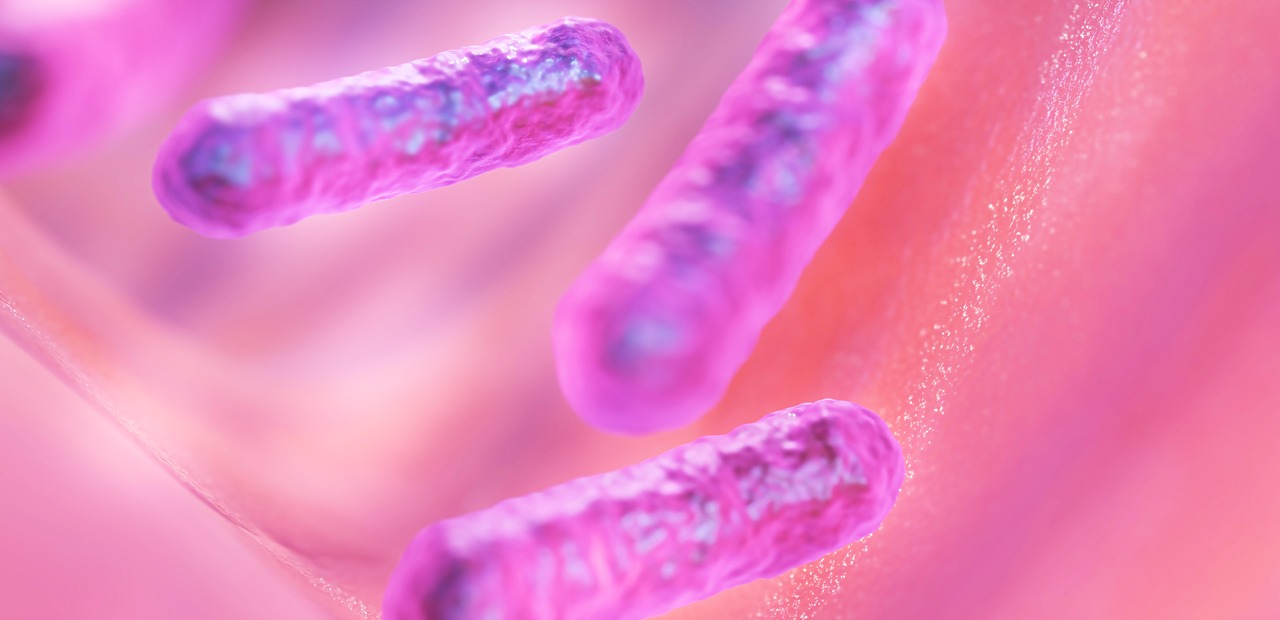





A New Era for the Human Gut
The human gut is more than just a digestive machine. It’s a vibrant ecosystem teeming with trillions of microbes—bacteria, viruses, fungi—each playing a role in maintaining health. When that ecosystem is disrupted, diseases arise. Enter: microbiome therapeutics. In recent years, science has moved from simply observing the gut to manipulating it as a frontier for disease treatment.
Now, for the first time ever, a live biotherapeutic product has received full FDA approval. And it’s not just medically significant—it’s potentially transformative for biotechnology, regulatory policy, and patients suffering from recurrent infections.
What Is a Live Biotherapeutic Product (LBP)?
Unlike traditional drugs, LBPs contain living microorganisms that are deliberately introduced to restore or modify the gut microbiome. Think of this as personalized reinforcements for microbial warfare.
LBPs vs. Probiotics
| Feature | LBP | Probiotic Supplement |
|---|---|---|
| Purpose | Treat disease | Promote general health |
| Regulation | Strict FDA standards (like drugs) | Milder oversight (as dietary supplements) |
| Evidence | Backed by clinical trials | Often low-grade or anecdotal |
The Game-Changer: Rebyota for C. difficile
In 2022, Rebyota (developed by Ferring Pharmaceuticals) became the first gut microbiome drug approved by the FDA to treat recurrent infections caused by Clostridioides difficile (C. diff).
“This approval represents a significant milestone, as it provides patients with a novel treatment crafted from the human gut microbiome itself.”
C. difficile is no joking matter—it’s a stubborn bacterial infection that often bounces back after antibiotics. Killing off C. diff is one thing, but rebuilding the gut microbial infrastructure so it stays away? That’s where LBPs shine.
What Makes Rebyota Unique?
- Delivered rectally, post-antibiotic regimen
- Contains standardized human fecal microbiota
- Restores microbial diversity, helping to resist C. diff recurrence
- Backed by randomized controlled trials
Understanding C. difficile: Why It’s So Hard to Beat
C. diff causes severe intestinal inflammation and diarrhea. After a patient takes antibiotics, the gut often resembles a ghost town—low microbial diversity and vacant niches. That’s the perfect storm for C. diff to take over.
Statistics at a Glance:
| Metric | Value |
|---|---|
| Annual U.S. Cases | ~500,000 |
| Annual Deaths | ~29,000 |
| Recurrence after first infection | ~20–30% |
| Recurrence after multiple infections | >60% |
That’s why the microbiome approach works—it helps repopulate the gut with competitive, healthy microbes faster than C. diff can regroup.
Cracking the Regulatory Pathway
So why did it take so long for a gut microbiome drug to reach approval? The answer is: it’s complicated.
Roadblocks in Approval
- Undefined mechanisms: How exactly do these microbes work?
- Variability: Each donor’s microbiota is unique, yet drugs must be standardized.
- High scrutiny: Because it’s a live product derived from human stool, regulators apply rigorous safety and contamination checks.
The FDA created a specific classification for these products: Live Biotherapeutic Products (LBPs), distinguishing them from vaccines or probiotics.
“You’re dealing with something that’s living, adaptive, and variably sourced—which turns the old drug approval model on its head.” — Industry Research Analyst
Lessons from FMT (Fecal Microbiota Transplants)
LBPs like Rebyota build on the success of FMTs, where donor feces is directly transferred to the patient’s colon. But while FMTs were somewhat like off-label hacks, LBPs undergo pharmaceutical manufacturing, quality control, and standardized dosing.
Future Applications of Microbiome Therapeutics
Rebyota may be the first, but it won’t be the last. A pipeline of live microbiome-based treatments is underway targeting:
- Ulcerative colitis
- Crohn’s disease
- Autism spectrum disorders
- Obesity and type 2 diabetes
- Immune system modulation for cancer therapies
Industry Snapshot
| Development Stage | Active Projects |
|---|---|
| Preclinical | 150+ |
| Phase I/II | 60+ |
| Phase III | 10+ |
Companies like Seres Therapeutics, Finch Therapeutics, and Vedanta Biosciences are pushing the envelope, trying to map which microbial strains have the greatest therapeutic potential.
Real-World Impact: One Patient’s Story
When Maria Johnson* (name changed for privacy) suffered through four bouts of C. difficile within two years, she was mentally and physically worn out. After a course of antibiotics, her physician recommended trying the newly approved Rebyota.
“Within weeks, I felt a shift—not just physically, but in my overall energy and gut comfort. I didn’t feel hostage to my own biology anymore.” — Patient interview excerpt
She’s been recurrence-free for 18 months and counting.
Challenges and Controversies
Despite excitement, there are valid concerns:
- Ethical sourcing: Human stool as a drug ingredient raises questions
- Long-term safety: We don’t fully know what introducing live microbes might do over decades
- Cost and accessibility: These are not inexpensive therapies
- Biological inconsistency: Can each batch truly match the last?
What’s Next: Tailored Gut Medicine?
We’re not far from a world where your medical file includes your microbial fingerprint. With advances in AI and genomics, future microbiome therapeutics might be:
- Personalized by patient gut profile
- Administered orally rather than rectally
- Designed to modulate immune responses or even brain chemistry
Market reports suggest the microbiome therapeutics market could top $10 billion by 2030, as pharma companies race to build the next generation of gut microbiome drugs.
Key Takeaways
- The FDA’s approval of Rebyota marks a watershed moment in medicine
- Live biotherapeutics offer a novel way to treat recurrent C. difficile by restoring microbial balance
- Regulatory pathways are adapting rapidly to accommodate living medicines
- Challenges remain, especially in standardization, cost, and long-term data
- The future points toward more precision-microbiome therapies tailored by AI and personal genomics
“We are only beginning to scratch the surface of what our microbiomes are capable of. This is the dawn of a microbial medicine revolution.” — Academic Microbiome Researcher
Final Thought
For centuries, medicine has tried to kill—or control—germs. Now, we’re partnering with them. The first live biologic approved by the FDA is a sign that the age of the microbiome isn’t just coming. It’s here.