







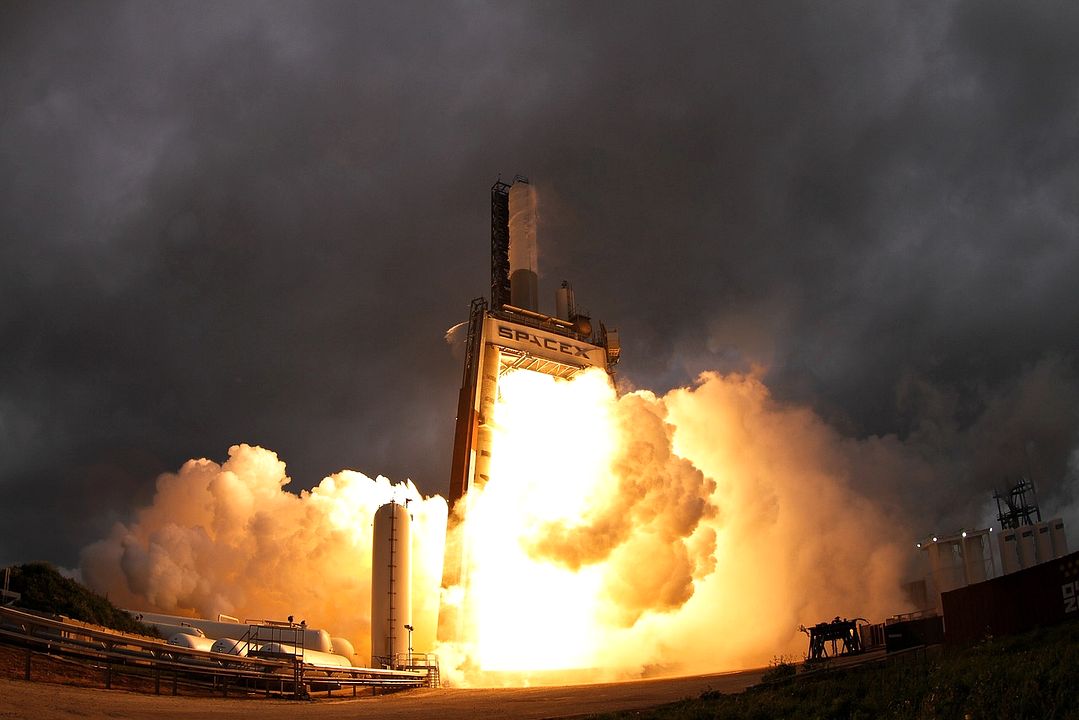
SpaceX’s Starship continues to capture imaginations as it develops toward becoming a fully reusable transportation system designed to carry both crew and cargo to Earth orbit, the Moon, Mars and beyond. A key iteration of this ambitious project is the Starship Block 3 configuration, slated to potentially begin cargo missions as early as 2025. This article delves into the anticipated features, capabilities, and impact of the Starship Block 3 on space logistics and exploration.
The Starship Vision: A Revolution in Space Travel
Starship distinguishes itself through its full reusability. Both the Super Heavy booster and the Starship spacecraft are designed to return to Earth and be quickly prepared for another flight. This paradigm shift dramatically reduces the cost of space access, opening unparalleled opportunities for space-based activities. The Block 3 variant is expected to refine the designs of previous versions based on testing and feedback, making it more efficient and reliable.
Anticipated Improvements in Block 3
Several improvements and upgrades are likely to be incorporated into the Block 3 design. While the exact specifications remain subject to change as development proceeds, these are some key areas of focus:
Enhanced Heat Shielding
The spacecraft experiences extreme temperatures during atmospheric re-entry. Block 3 will likely incorporate advancements in heat shield technology to withstand these conditions better, allowing for quicker re-entry and turnaround times. This may include refinements to their hexagonal thermal protection system (TPS) tiles.
Raptor 3 Engine Integration
An upgrade from the Raptor 2 engine (although not confirmed), the Raptor 3 is expected to provide increased thrust and efficiency. More powerful engines mean increased payload capacity or potentially the need for fewer engines on the Super Heavy booster or Starship itself, thus reducing complexity and cost. The development of the Raptor 3 will likely entail improvements to combustion stability, materials science, and overall performance.
Refined Aerodynamic Design
Subtle adjustments to the shape of both the Super Heavy booster and Starship upper stage could reduce drag and increase aerodynamic efficiency, further enhancing the vehicle’s performance during ascent and descent. These changes may not be dramatically visible but are crucial for optimizing flight profiles.
Increased Payload Capacity
Ultimately, one fundamental goal of Block 3 is to increase the amount of cargo that can be delivered to orbit. This could involve structural improvements, more efficient propellant usage, or optimizing the vehicle’s center of gravity. Increased capacity would make Starship more competitive and enable a wider range of missions.
Implications for Space Logistics
Starship Block 3, with its anticipated improvements, will drastically alter the landscape of space logistics. Here’s how:
Cost Reduction
The greatest benefit of a fully reusable system is the dramatic decrease in launch costs. By reusing the Super Heavy booster and the Starship itself, SpaceX can significantly reduce the expense associated with putting payloads into orbit. This makes space accessible to many more organizations, from research institutions to commercial enterprises.
Point-to-Point Transportation
Beyond orbital missions, Starship’s capabilities extend to rapid point-to-point transportation on Earth. This would involve launching from one location and landing at another in a matter of minutes. While not the primary focus of Block 3, further development work could make this concept a reality.
Supporting Lunar and Martian Missions
Starship is central to SpaceX’s plans for establishing a sustained presence on the Moon and Mars. Block 3 can play a vital role in delivering the necessary equipment, habitats, and supplies to support these ambitious missions. The ability to transport large payloads is crucial to building infrastructure in space and on other celestial bodies.
The Race to Orbit: Competition and Collaboration
As Starship development continues, other companies are actively competing to develop their own next-generation launch vehicles. Collaboration is also taking place, particularly in areas like space traffic management and safety standards. Starship, whatever its ultimate design, is setting the standard for the next era of space access.
Starship Block 3: The Path Forward
Starship Block 3 represents a pivotal step towards a more accessible and sustainable future in space. By focusing on reusability, payload capacity, and improved performance, SpaceX aims to revolutionize how we access and utilize space. As we approach 2025, all eyes are trained on the launchpad, anticipating the next chapter in space exploration.
Table: Comparison of Starship Iterations
| Feature | Starship Prototype | Starship Block 1/2 | Starship Block 3 (Projected) |
|---|---|---|---|
| Reusability | Limited | Full | Full |
| Engine Type | Raptor | Raptor 2 | Raptor 3 |
| Payload (Orbit) | Limited | Estimated 100 tons | Projected > 100 tons |
| Heat Shield | Initial Design | Improved TPS | Advanced TPS Refinements |
Anticipated Challenges
Despite its ambitious goals, Starship’s development faces significant challenges. These include:
- Ensuring the reliability and longevity of reusable components.
- Managing the complex logistics of rapid re-flights.
- Securing necessary regulatory approvals for frequent launches.
- Addressing potential environmental impacts of launch activities.
- Managing the substantial financial investment required for ongoing development.
These challenges require creative solutions, technical expertise, and close collaboration between SpaceX, government agencies, and other stakeholders. Successfully overcoming these obstacles will be key to realizing Starship’s full potential.
In Summary, SpaceX Starship B3 is poised to change how the world perceives space logistics, making it faster, cheaper and more efficient than ever before.