






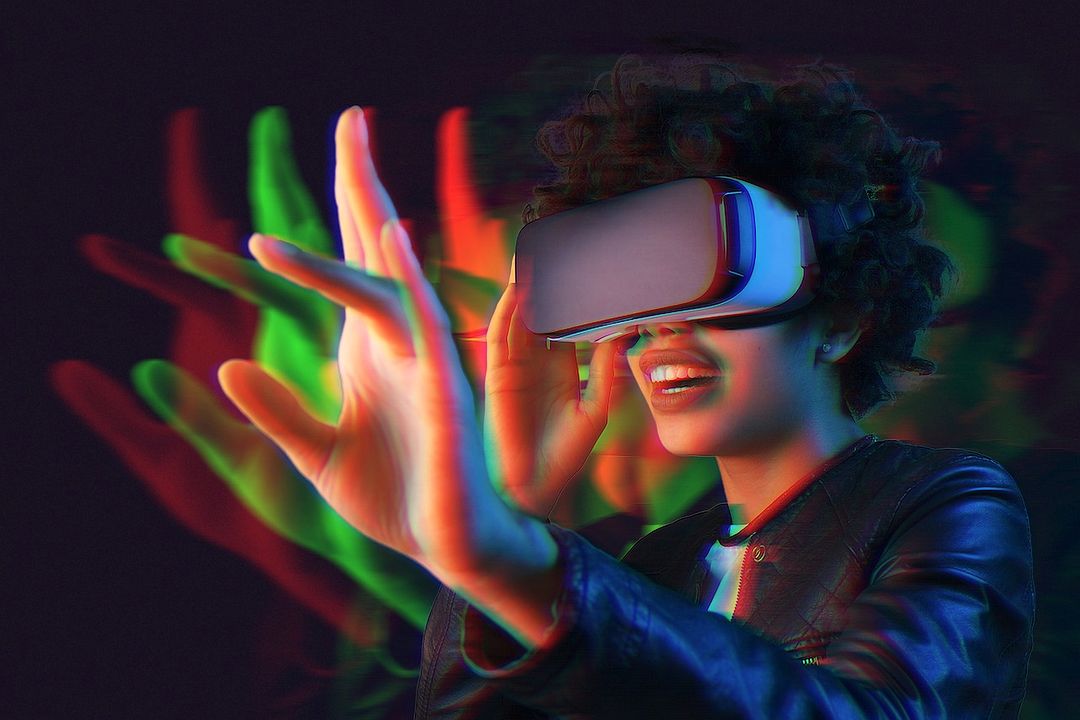
The augmented reality (AR) market is rapidly evolving, and 2025 promises to bring even more accessible and affordable options in the realm of AR glasses. This review focuses on the top 5 budget-friendly AR glasses expected to make waves in the coming year, comparing their features, performance, and overall value. We’ll delve into models like the Xreal Air 2 Lite and Rokid Max 2, paying close attention to aspects like human-interface latency and display quality.
Understanding the AR Glasses Landscape
Before diving into specific models, it’s crucial to understand what to expect from budget AR glasses in 2025. These devices aim to offer a compelling AR experience without breaking the bank. This often means compromises in areas like processing power or display resolution compared to high-end models. However, significant advancements are being made to improve the user experience even at lower price points.
Factors like ergonomic design, compatibility with various devices, and the availability of AR applications are also important considerations. The goal is to find glasses that offer a balance of features and affordability, making AR technology more accessible to a broader audience.
1. Xreal Air 2 Lite
The Xreal Air 2 Lite is anticipated to be a standout contender in the budget AR space. Building upon the success of previous models, the Air 2 Lite is projected to offer improved display quality and a more comfortable design.
- Key Features: Lightweight design, high-resolution display, compatibility with smartphones and gaming consoles.
- Pros: Portability, ease of use, and a vibrant visual experience.
- Cons: Potentially limited processing power for complex AR applications.
2. Rokid Max 2
The Rokid Max 2 is another promising option, known for its versatility and compatibility. With its blend of multimedia features and AR capabilities, It targets users who want a device for both entertainment and productivity
- Key Features: Adjustable diopters, improved audio, and a wider field of view.
- Pros: Enhanced comfort, immersive experience, and a user-friendly interface.
- Cons: Some users may find the design less sleek than other competitors.
3. TCL NXTWEAR S
TCL has also entered the AR glasses arena with a focus on visual quality and ease of use. The NXTWEAR S is designed to deliver a cinematic viewing experience with its dual 1080p Micro OLED displays.
- Key Features: Dual 1080p Micro OLED displays, light weight, comfortable fit
- Pros: Excellent visual clarity, plug-and-play compatibility with many devices
- Cons: AR functionality may be limited compared to more dedicated AR glasses
4. VITURE One
The VITURE One glasses stand out with their modular design and potential for customization. These glasses are designed for streaming movies and playing games, and are compatible with magnetic accessories such as a neckband, mobile dock, and even prescription lenses.
- Key Features: Modular design, stylish aesthetics, comfortable fit.
- Pros: Wide range of accessories, customizable prescription lenses.
- Cons: Relies heavily on accessories for functionality.
5. Mad Gaze Glow Plus
The Mad Gaze Glow Plus glasses focus on practicality and integration with everyday tasks. Their lightweight design and focus on essential AR functions make them a compelling choice for users who value simplicity.
- Key Features: Lightweight design, intuitive interface, and essential AR functionalities.
- Pros: Practicality, ease of use, and comfortable fit.
- Cons: May lack advanced features found in other models.
Comparing Key Specifications
Here’s a table summarizing the key specifications of these AR glasses for a quick comparison:
| Feature | Xreal Air 2 Lite | Rokid Max 2 | TCL NXTWEAR S | VITURE One | Mad Gaze Glow Plus |
|---|---|---|---|---|---|
| Display Resolution | 1920×1080 per eye | 1920×1080 per eye | 1920×1080 per eye | 1920×1080 per eye | 1280×720 per eye |
| Field of View | 46 degrees | 50 degrees | 45 degrees | 55 degrees | 30 degrees |
| Weight | 75g | 75g | 85g | 78g | 75g |
| Compatibility | Smartphones, Consoles | Smartphones, Consoles | Smartphones, Laptops | Smartphones, Consoles | Smartphones |
The Importance of Human-Interface Latency
A critical factor in the AR experience is human-interface latency. This refers to the delay between a user’s action and the corresponding response in the AR display. High latency can lead to a disjointed and frustrating experience. Evaluating the human-interface latency of each model is crucial in determining its usability for real-world applications.
Ideally, human-interface latency should be as low as possible, preferably below 20 milliseconds. This helps ensure a seamless and immersive AR experience. Lower latency reduces motion sickness and provides a more natural interaction with virtual elements.
Conclusion
The AR glasses market is poised for significant growth in 2025 with a growing number of budget-friendly options becoming available. The Xreal Air 2 Lite, Rokid Max 2, TCL NXTWEAR S, VITURE One, and Mad Gaze Glow Plus each offer unique strengths and weaknesses. Ultimately, the best choice depends on individual needs and preferences. Considering factors like display quality, comfort, human-interface latency, and compatibility is essential in making an informed decision. As technology advances, these budget-friendly options will continue to improve, making AR technology accessible to everyone.