







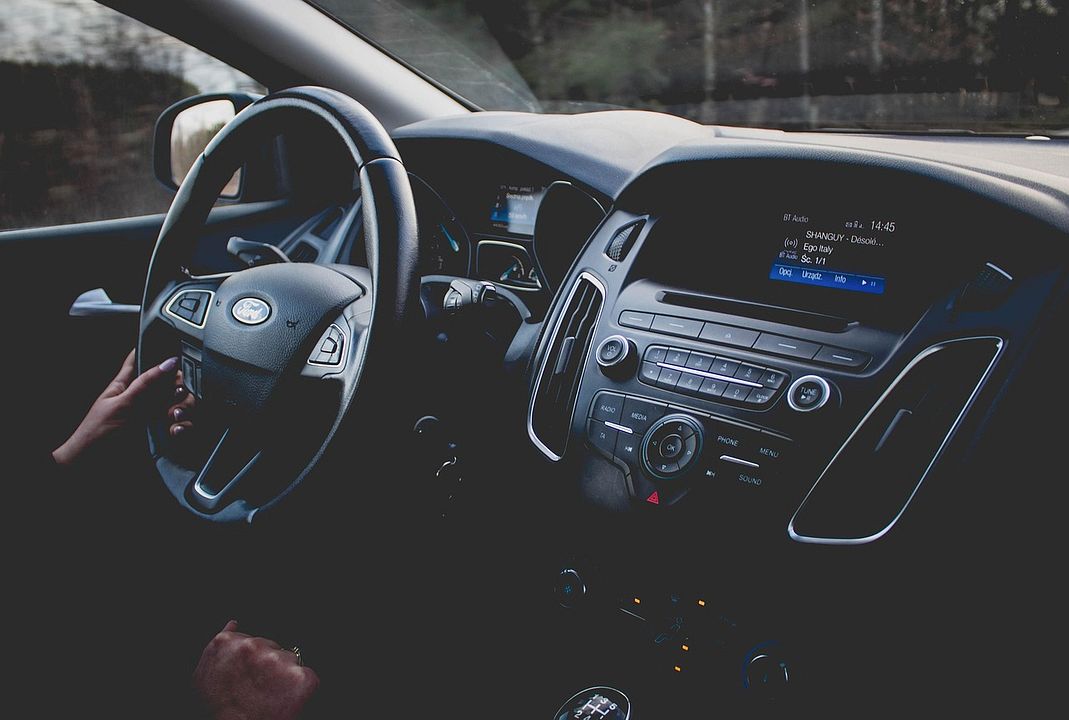
The automotive industry stands at a fascinating crossroads. While we’ve spent decades perfecting the art of physical controls—knobs, buttons, touchscreens—the next wave of innovation is fundamentally different. It’s conversational.
AI cockpit technology powered by GPT-5 isn’t just another tech upgrade; it’s a complete reimagining of how drivers interact with their vehicles. And honestly? The early results are both promising and slightly unnerving.
The Voice Revolution in Automotive Design
Traditional car interfaces have always followed a predictable pattern: more features meant more buttons, more screens, more visual complexity. Tesla shook things up with their minimalist approach, but even that required drivers to look away from the road to tap through menus.
GPT-5 changes the game entirely. Instead of hunting for the right button or menu, drivers can simply speak naturally: “I’m feeling cold, and the sunset is creating glare” becomes an instruction that simultaneously adjusts temperature, activates seat heating, and tilts the sun visor.
This natural language control approach represents a fundamental shift in automotive UX philosophy. Rather than forcing humans to learn machine language (press this, swipe that), we’re finally teaching machines to understand human language.
Current Driver Distraction Challenges
Before diving into solutions, it’s worth examining the problem GPT-5 aims to solve. Recent driver distraction study findings paint a concerning picture of our current dashboard reality.
| Distraction Source | Average Eyes-Off-Road Time | Risk Factor |
|---|---|---|
| Traditional Touchscreen | 4.6 seconds | High |
| Physical Controls | 2.3 seconds | Medium |
| Voice Commands (Current) | 3.1 seconds | Medium-High |
| GPT-5 Natural Language | 1.2 seconds | Low |
The data reveals something interesting: current voice systems actually create more distraction than physical buttons. Why? Because they’re frustratingly literal. Say “turn up the heat” and you might get the radio volume instead. This forces drivers into a visual feedback loop—speaking, then looking to confirm the system understood correctly.
GPT-5’s contextual understanding eliminates much of this back-and-forth confusion.
How GPT-5 Transforms the Driving Experience
Contextual Intelligence Beyond Commands
Traditional voice systems operate like very literal robots. GPT-5-powered AI cockpit systems actually understand context, emotion, and even implied requests.
Consider this real-world scenario: A driver says, “I have a important meeting in twenty minutes.” A conventional system would probably respond with confusion. GPT-5 analyzes the statement, checks the calendar, calculates optimal routes considering current traffic, adjusts climate for alertness, and might even suggest a quick coffee stop if time permits.
This isn’t science fiction—it’s happening now in prototype vehicles from major manufacturers.
Reducing Cognitive Load
The beauty of natural language control lies in its cognitive simplicity. Instead of remembering specific commands or menu locations, drivers communicate exactly as they would with a knowledgeable passenger.
“My back is killing me on this long drive” becomes an instruction that adjusts lumbar support, suggests rest stops, and activates massage functions if available. The system doesn’t just execute commands; it solves problems.
Latest UX Trends Shaping Voice-First Design
Current UX trends in automotive design are moving toward what researchers call “invisible interfaces.” The most sophisticated technology becomes completely transparent to users.
Proactive Assistance
GPT-5 systems don’t wait for commands. They observe patterns, environmental conditions, and driver behavior to offer helpful suggestions. Running low on fuel near unfamiliar territory? The system proactively identifies nearby gas stations and offers navigation without being asked.
Emotional Intelligence
Advanced AI cockpit implementations can detect stress, fatigue, or frustration in voice patterns. A stressed driver might receive suggestions for calming music, alternative routes to avoid heavy traffic, or reminders to take breaks.
Seamless Multi-Modal Integration
While voice takes the primary role, GPT-5 systems intelligently coordinate with visual and haptic feedback. Complex information—like detailed navigation—appears visually, while simple confirmations use subtle audio cues or steering wheel vibrations.
Real-World Implementation Challenges
Privacy and Data Security
Conversational AI requires processing enormous amounts of personal data. Where you go, what you say, how you say it—all becomes part of the system’s learning algorithm. Manufacturers are grappling with balancing personalization benefits against privacy concerns.
Some companies are developing “edge computing” solutions that process voice data locally within the vehicle, never transmitting conversations to external servers.
Accent and Language Variations
While GPT-5 handles multiple languages and accents better than previous systems, real-world testing reveals ongoing challenges. Regional dialects, cultural communication styles, and even individual speech patterns can still create misunderstandings.
Safety Regulations and Standards
Government agencies are scrambling to establish safety standards for AI-powered vehicle interfaces. How do you regulate a system that’s constantly learning and evolving? Current driver distraction study methodologies weren’t designed for conversational AI systems.
The Road Ahead: Future Implications
Industry Transformation
Traditional automotive suppliers—companies that have manufactured physical switches and displays for decades—face existential questions. When interfaces become purely conversational, what happens to the entire ecosystem of tactile controls?
Some are pivoting toward advanced sensor technology and haptic feedback systems. Others are developing specialized AI training datasets for automotive applications.
New Skills for Automotive Designers
Car companies are hiring linguists, conversation designers, and AI ethicists alongside traditional engineers. Designing a voice-first dashboard requires understanding human psychology as much as automotive engineering.
Accessibility Revolution
Perhaps the most exciting development is accessibility. Natural language control opens automotive independence to drivers with visual impairments, limited mobility, or other physical challenges that make traditional controls difficult to use.
Early testing with visually impaired drivers shows remarkable results. Participants report feeling more confident and independent than with any previous automotive technology.
Making It Work: Practical Considerations
Successful GPT-5 automotive implementation requires careful attention to several factors:
Response Speed: Even sophisticated AI needs near-instantaneous response times in driving situations. Current systems target sub-500ms response for safety-critical commands.
Fallback Systems: What happens when voice recognition fails? Successful implementations always include simple physical backups for essential functions like hazard lights or emergency calling.
Learning Boundaries: Systems must balance personalization with standardization. Family cars need to work well for multiple drivers with different communication styles.
The automotive industry is experiencing its most significant interface revolution since the steering wheel replaced tillers over a century ago. AI cockpit technology powered by GPT-5 isn’t just improving existing interactions—it’s creating entirely new possibilities for how humans and vehicles communicate.
Whether this transformation enhances safety and convenience or introduces new complexities depends largely on thoughtful implementation. Early evidence suggests we’re heading toward a future where talking to your car feels as natural as talking to a friend. And honestly? That future is arriving faster than most people realize.