







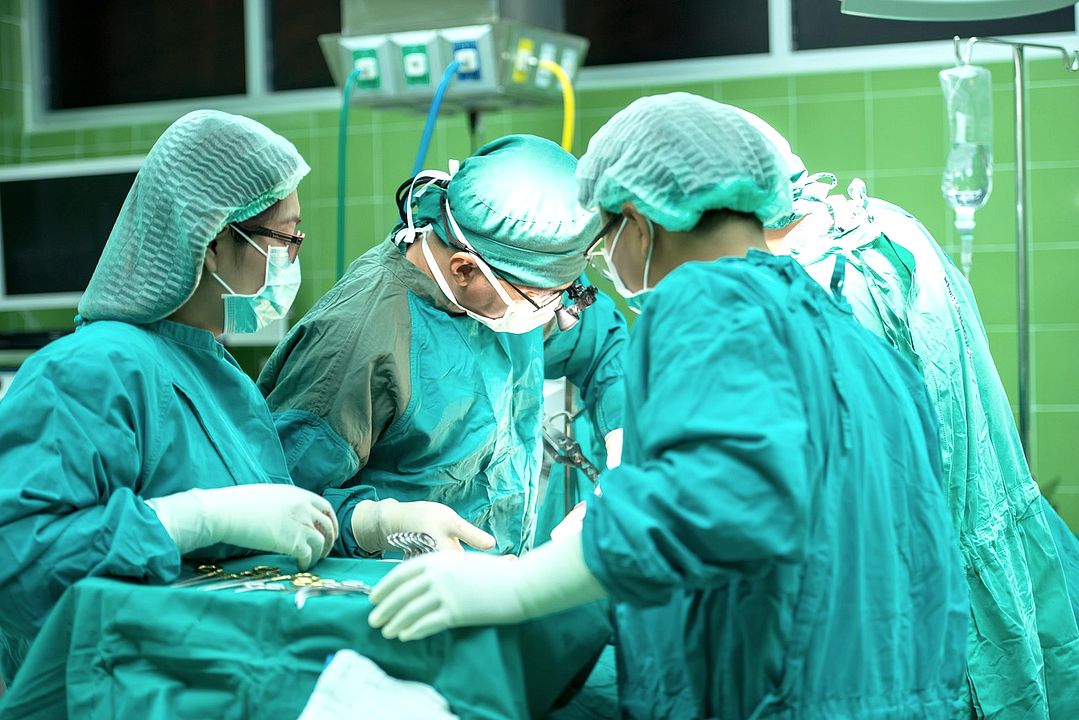
The operating room is about to get a major upgrade. While surgeons have been working alongside robotic assistants for years, we’re now witnessing something fundamentally different—autonomous surgical robots that can perform complex procedures with minimal human intervention.
The Dawn of Truly Independent Surgical Systems
It seems like science fiction, but autonomous surgical robots are already making their mark in select medical centers. These aren’t your typical remote-controlled devices. We’re talking about systems equipped with advanced AI perception capabilities that can analyze tissue, make real-time decisions, and execute precise movements without constant human guidance.
The technology has progressed far beyond simple robotic arms. Modern systems integrate computer vision, machine learning algorithms, and sophisticated sensors to create what many consider the next evolution in surgical care. And honestly? The results are pretty impressive.
Current Capabilities That Actually Matter
Today’s autonomous surgical robots can handle several critical tasks:
- Suturing with sub-millimeter precision across various tissue types
- Real-time tissue recognition and damage assessment
- Adaptive pressure control during delicate procedures
- Autonomous navigation through complex anatomical structures
- Predictive complication detection and prevention
“The precision we’re seeing from these autonomous systems often exceeds what even our most experienced surgeons can achieve manually” — Recent Medical Robotics Research Study
Da Vinci X2: Setting New Standards
The Da Vinci X2 represents a significant leap from earlier robotic surgical platforms. This system incorporates enhanced AI perception modules that can interpret surgical environments in ways that were impossible just five years ago.
What makes the Da Vinci X2 particularly interesting is its ability to learn from each procedure. The system builds a comprehensive database of surgical scenarios, outcomes, and optimal approaches. Basically, it gets better with every operation—which is both exciting and slightly unsettling when you think about it.
| Feature | Traditional Robotic Surgery | Da Vinci X2 Autonomous Mode |
|---|---|---|
| Human Control Required | 100% procedure time | 30-40% procedure time |
| Precision Level | ±0.5mm typical | ±0.1mm consistent |
| Learning Capability | None | Continuous improvement |
| Complication Detection | Surgeon-dependent | AI-powered real-time |
| OR Efficiency | Baseline | 25-35% improvement |
FDA Clearance: The Regulatory Reality Check
Here’s where things get complicated. FDA clearance for autonomous surgical systems involves navigating uncharted regulatory territory. The agency is essentially creating new frameworks for evaluating AI-driven medical devices that can make independent decisions during life-or-death situations.
The current approval process focuses on several key areas:
- Fail-safe mechanisms and human override capabilities
- Training data quality and algorithmic bias prevention
- Long-term performance monitoring and reporting
- Integration protocols with existing hospital systems
Some critics argue the approval process is moving too slowly, while others believe we need even more rigorous testing. The FDA seems to be taking a measured approach—approving specific procedures and applications gradually rather than giving blanket authorization.
The Approval Timeline Reality
Most autonomous surgical robots currently hold limited FDA clearance for specific procedures under controlled conditions. Full autonomy approval? That’s still years away for most applications. However, incremental approvals are happening more frequently, especially for routine procedures like basic suturing and tissue manipulation.
OR Efficiency: Where the Real Impact Shows
The impact on OR efficiency has been substantial, though not always in ways you’d expect. Sure, autonomous systems can work faster and more precisely than human surgeons in many scenarios. But the real efficiency gains come from:
Reduced setup and breakdown times – Autonomous systems can prepare themselves and clean their instruments without human assistance.
Parallel processing capabilities – While the surgeon focuses on critical decision-making, the robot handles routine tasks simultaneously.
Predictable scheduling – Autonomous procedures tend to have more consistent timing, making OR scheduling significantly more reliable.
Lower complication rates – Fewer complications mean fewer emergency procedures and better resource allocation.
“We’ve seen a 35% improvement in overall OR efficiency since implementing autonomous surgical assistance” — Hospital Operations Management Report
AI Perception: The Technical Foundation
The AI perception systems powering these robots are genuinely impressive. They combine multiple technologies:
- Computer vision for real-time tissue analysis
- Haptic feedback simulation for pressure and texture recognition
- Predictive modeling for complication prevention
- Natural language processing for communication with surgical teams
What’s particularly fascinating is how these systems handle unexpected situations. Rather than stopping and waiting for human intervention, advanced AI perception allows robots to adapt their approach in real-time while maintaining safety protocols.
Beyond Suturing: Expanding Capabilities
While suturing might be the most visible application, autonomous surgical robots are tackling increasingly complex procedures:
Microsurgery Applications
Autonomous systems excel at procedures requiring extreme precision, like nerve repair and blood vessel reconstruction. The absence of human hand tremor alone makes a significant difference in outcomes.
Emergency Surgery Scenarios
In trauma situations where speed matters, autonomous systems can begin life-saving procedures while human surgeons prepare for more complex interventions.
Remote Surgery Possibilities
Combining autonomous capabilities with telemedicine opens possibilities for surgical care in underserved areas where specialist surgeons aren’t available.
The Human Factor: Resistance and Adaptation
Not everyone’s thrilled about autonomous surgery. Many experienced surgeons express concerns about skill atrophy and the loss of human intuition in medical decision-making. And honestly? Those concerns aren’t entirely unfounded.
However, early adopters report that working alongside autonomous surgical robots actually enhances their capabilities rather than replacing them. Surgeons can focus on high-level strategy and complex problem-solving while the robot handles routine execution.
Looking Ahead: What’s Next?
The trajectory seems clear—autonomous surgical systems will become increasingly sophisticated and widely adopted. FDA clearance processes will likely streamline as regulatory frameworks mature, and OR efficiency improvements will drive hospital adoption.
But perhaps the most exciting development isn’t just about making surgery more autonomous. It’s about creating surgical systems that combine the best of human expertise with robotic precision and AI perception.
The question isn’t whether autonomous surgery will become mainstream—it’s how quickly we can implement these systems safely and effectively. And based on current progress, that timeline might be shorter than many expect.