







The automotive world stands at a crossroads. While electric vehicles dominate headlines, there’s another player quietly making waves—eFuels. These synthetic fuels promise something that seemed impossible just a few years ago: keeping combustion engines alive in a carbon-neutral world.
But can laboratory-created gasoline really compete with batteries? And more importantly, will it arrive in time to matter?
What Are eFuels Actually?
eFuels represent a fascinating marriage of renewable energy and chemistry. Think of them as gasoline’s sophisticated cousin—molecularly identical to traditional fuel but born in a lab rather than extracted from ancient dinosaurs.
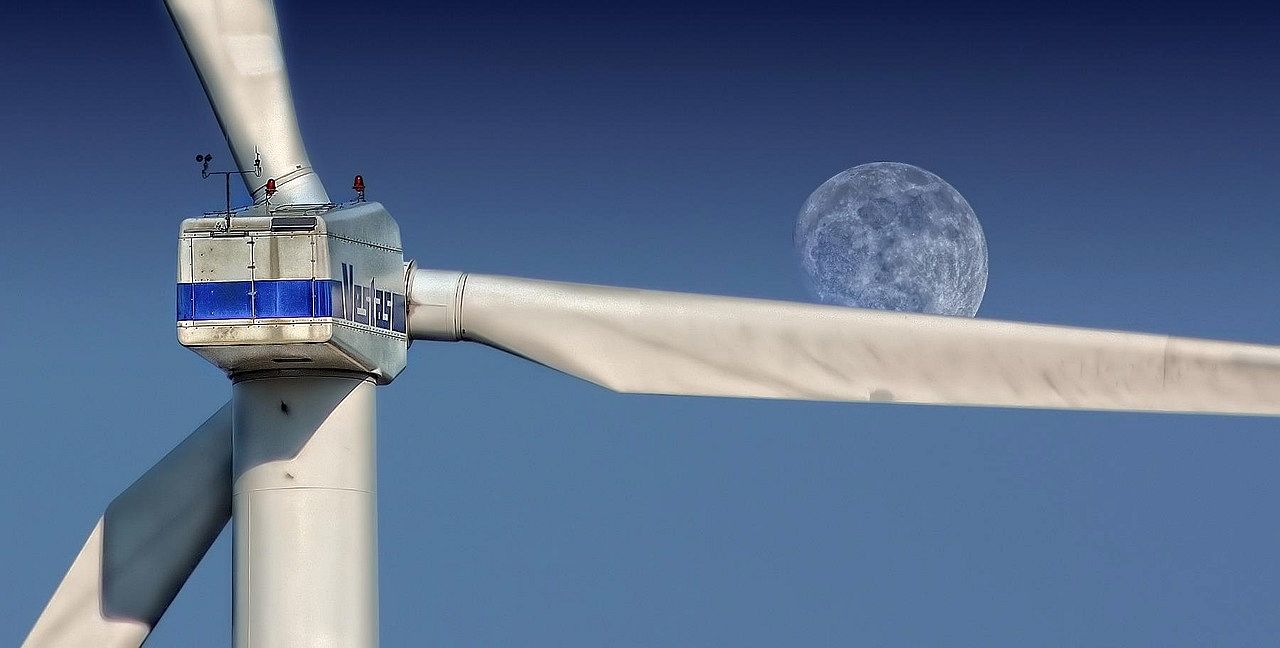
The process sounds almost magical. Engineers capture carbon dioxide directly from the atmosphere, combine it with hydrogen (produced using renewable electricity), and through a series of chemical reactions, create liquid fuel. It’s basically photosynthesis on steroids, powered by wind turbines and solar panels.
What makes this particularly intriguing is the fuel’s versatility. Unlike electric batteries that require new infrastructure, carbon-neutral petrol works with existing engines, gas stations, and distribution networks. Your classic 1969 Mustang could theoretically run on the same fuel as a 2024 Ferrari—both achieving net-zero emissions.
The Science Behind eFuel Production
eFuel production involves three critical steps that determine both feasibility and cost:
Step 1: Hydrogen Generation
Electrolysis splits water molecules using renewable electricity. This process requires massive amounts of clean energy—roughly 20-30 kilowatt-hours per kilogram of hydrogen produced. The math gets interesting when you realize that most hydrogen today still comes from natural gas, somewhat defeating the purpose.
Step 2: Carbon Capture
Direct air capture technology pulls CO2 from the atmosphere. Current systems can extract about 1 ton of CO2 per day using approximately 2,000 kWh of energy. Critics argue this energy could power electric vehicles more efficiently, but supporters point out that not every application can easily electrify.
Step 3: Fuel Synthesis
The Fischer-Tropsch process combines hydrogen and carbon monoxide (derived from captured CO2) into liquid hydrocarbons. This century-old technology has been refined significantly, but energy losses remain substantial—typically 40-50% of the input energy disappears during conversion.
Porsche’s Groundbreaking Pilot Plant
Porsche isn’t just talking about eFuels—they’re making them. The Porsche pilot plant in Chile represents the automotive industry’s most ambitious synthetic fuel project to date.
Located in Punta Arenas, the facility capitalizes on Patagonia’s exceptional wind resources. The region experiences wind speeds averaging 27 mph year-round, making it ideal for renewable energy generation. Porsche partnered with Siemens Energy and other companies to create what they call “the world’s first commercial eFuel plant.”
The numbers tell an interesting story:
| Production Phase | Annual Output | Timeline |
|---|---|---|
| Pilot Phase | 130,000 liters | 2022-2024 |
| Scale-up Phase | 55 million liters | 2024-2026 |
| Commercial Phase | 550 million liters | 2026+ |
Porsche’s approach demonstrates something crucial—they’re treating this as a long-term investment rather than a publicity stunt. The company plans to use synthetic fuel in their motorsport activities first, then gradually expand to customer vehicles.
“eFuels are a complementary technology to electrification, particularly for vehicles that can’t easily be electrified,” according to industry analysis from automotive research groups.
The Chilean facility also showcases an important geographical strategy. Remote locations with abundant renewable energy but limited grid connectivity become prime real estate for eFuel production. Australia, Iceland, and parts of Africa could potentially become the new oil exporters of the synthetic fuel era.
The EU 2035 Ban: A Plot Twist
The EU 2035 ban initially seemed like a death sentence for combustion engines. European lawmakers voted to prohibit new internal combustion engine vehicle sales by 2035, pushing the continent toward full electrification.
However, Germany threw a wrench into these plans. After initially supporting the ban, German officials demanded exceptions for vehicles running exclusively on synthetic fuels. This wasn’t just political posturing—Germany hosts major automotive manufacturers who see eFuels as a potential lifeline.
The compromise reached in 2023 allows new combustion engine vehicles after 2035, but only if they run on carbon-neutral synthetic fuels. This creates a narrow but potentially significant pathway for traditional engines to survive.
Several factors make this exemption particularly interesting:
- Luxury manufacturers like Porsche, Ferrari, and Lamborghini can continue producing high-performance engines
- Commercial vehicles that struggle with electrification have alternative pathways
- Existing vehicle fleets gain access to carbon-neutral operation without replacement
But there’s a catch—the fuel must be genuinely carbon-neutral, tracked through complex certification systems that don’t fully exist yet.
Economic Reality Check
Cost remains eFuels’ biggest challenge. Current production estimates suggest synthetic gasoline could cost 3-5 times more than traditional fuel, even at scale. This price premium makes sense for supercars and racing applications but becomes problematic for mass-market adoption.
Several factors could improve economics:
- Carbon pricing makes fossil fuels more expensive
- Technology improvements reduce production costs
- Scale effects drive down equipment and operational expenses
- Government incentives subsidize early adoption
Interestingly, aviation and shipping industries might drive eFuel development faster than automotive applications. These sectors have limited electrification options and already pay premium fuel prices.
The Combustion Engine’s Fighting Chance
Can synthetic gasoline actually save combustion engines? The answer depends on your definition of “save.”
For mass-market transportation, electric vehicles will likely dominate. Battery technology continues improving while costs decrease—a trend that favors electrons over molecules for daily driving.
However, eFuels could preserve combustion engines in specific niches:
- Performance vehicles where engine character matters
- Heavy-duty applications with challenging electrification requirements
- Remote locations lacking charging infrastructure
- Classic car preservation for automotive enthusiasts
The technology also offers psychological benefits that pure numbers don’t capture. Many drivers aren’t ready to abandon familiar refueling experiences for charging anxiety and range limitations.
What’s Actually Realistic?
eFuels represent neither automotive salvation nor marketing fiction—they’re somewhere in between. The technology works, but scaling remains challenging. Costs are high, but could decrease with development.
Porsche’s pilot plant demonstrates that carbon-neutral petrol isn’t just theoretical anymore. Whether it becomes commercially viable depends on factors beyond pure technology: government policies, consumer preferences, and competing battery improvements.
The most likely scenario involves eFuels serving niche markets rather than replacing gasoline entirely. Think of them as premium products for specific applications rather than universal solutions.
For combustion engine enthusiasts, eFuels offer hope—just not necessarily the complete victory some might wish for. The internal combustion engine might survive, but it probably won’t thrive in quite the same way again.