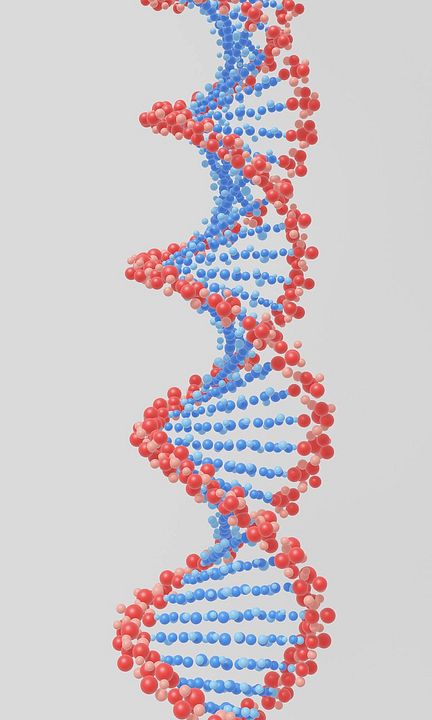








The landscape of genetic medicine is undergoing a seismic shift, powered by the advent of CRISPR 3.0 technologies. This next generation of gene editing tools promises not just treatment, but potential cures for a vast array of rare diseases that have long been considered intractable. While the initial iterations of CRISPR-Cas9 focused on cutting DNA strands, CRISPR 3.0 emphasizes precision, efficiency, and safety, paving the way for scalable therapeutic applications.
Understanding CRISPR 3.0: Precision Gene Editing
CRISPR 3.0 encompasses a suite of advanced gene editing techniques, with base editing and prime editing leading the charge. Unlike CRISPR-Cas9, which relies on double-stranded DNA breaks, these methods enable precise modifications of individual DNA bases without causing significant cellular damage. Base editing, for instance, can convert one base pair into another (e.g., A-T to G-C) with remarkable accuracy. This is particularly crucial for correcting point mutations, which are responsible for a significant portion of genetic disorders.
Base Editing: A Game Changer
Base editing minimizes off-target effects and chromosome rearrangements, issues that have plagued earlier gene editing approaches. The targeted nature of base editing presents a safer and more reliable route to genetic correction. This precision significantly reduces concerns related to unintended mutations and their potential long-term consequences.
Prime Editing: Expanding the Possibilities
Prime editing represents another leap forward. This technique allows for the precise insertion, deletion, or replacement of DNA sequences at targeted locations. It utilizes a modified Cas9 enzyme fused to a reverse transcriptase, guided by a prime editing guide RNA (pegRNA). This approach broadens the scope of treatable genetic defects, offering potential solutions for conditions involving more complex mutations.
Tackling Sickle-Cell Anemia: A Prototype for CRISPR 3.0 Success
Sickle-cell anemia, a debilitating inherited blood disorder, serves as a prime example of how CRISPR 3.0 is transforming treatment paradigms. Initial clinical trials using CRISPR-Cas9 to edit the BCL11A gene, which represses fetal hemoglobin production, have shown remarkable success in alleviating symptoms and reducing the frequency of painful vaso-occlusive crises. The approach involves extracting hematopoietic stem cells from patients, editing the BCL11A enhancer region ex vivo, and then re-infusing the modified cells back into the patient.
Clinical Trial Successes
Several patients treated with this CRISPR-based therapy have remained symptom-free for extended periods, suggesting a functional cure. The ability to reactivate fetal hemoglobin production compensates for the defective adult hemoglobin in sickle cell patients, mitigating the disease’s effects.
Overcoming Challenges in Treating Sickle Cell Anemia
Although current trials demonstrate remarkable efficacy, manufacturing costs and scalability remain significant barriers. Autologous cell therapies, which involve editing a patient’s own cells, are inherently expensive and labor-intensive. Future strategies may focus on allogeneic approaches, utilizing donor cells that are pre-edited and readily available for multiple patients, to reduce these costs.
Navigating Regulatory Pathways for Gene Therapies
The development and approval of CRISPR-based gene therapies are subject to rigorous regulatory pathways, overseen by agencies such as the FDA in the United States and the EMA in Europe. These regulatory bodies assess the safety, efficacy, and quality of gene therapy products before they can be made available to patients.
Key Regulatory Considerations
Key considerations in the regulatory review process include:
- Off-target effects: Evaluating the potential for unintended edits at non-target sites in the genome.
- Immunogenicity: Assessing the risk of immune responses against the gene editing machinery or the modified cells.
- Long-term safety: Monitoring patients for potential delayed adverse events.
- Manufacturing consistency: Ensuring the reproducibility and quality of the gene therapy product.
Adapting Regulatory Frameworks
Regulatory frameworks are evolving to accommodate the unique challenges and opportunities presented by CRISPR 3.0 technologies. Regulators are working to establish clear guidelines and standards for the development and evaluation of gene therapies, balancing the need for patient safety with the potential for transformative clinical benefits.
Addressing Manufacturing Costs and Scalability
One of the most significant hurdles in bringing CRISPR 3.0 therapies to scale is the high manufacturing costs. The production of gene therapy vectors, the ex vivo cell editing processes, and the quality control assays all contribute to the overall expense.
Cost-Effective Strategies
To improve accessibility, researchers and companies are exploring various strategies to reduce manufacturing costs:
- Optimizing vector production: Developing more efficient and scalable methods for producing viral vectors, such as adeno-associated viruses (AAVs).
- Automating cell editing: Implementing automated systems for cell isolation, editing, and quality control to reduce manual labor and improve throughput.
- Developing off-the-shelf therapies: Creating allogeneic cell therapies that can be manufactured in large batches and used for multiple patients, eliminating the need for personalized manufacturing.
The Role of Collaboration
Collaboration between academic institutions, biotech companies, and government agencies is critical for driving down manufacturing costs and accelerating the development of affordable gene therapies. Public-private partnerships can help to leverage resources and expertise, fostering innovation and streamlining the path to commercialization.
Conclusion: A New Era for Rare Disease Treatment
CRISPR 3.0 gene therapies hold immense promise for revolutionizing the treatment of rare diseases. By leveraging the precision and efficiency of base editing and prime editing, scientists are developing targeted therapies that can correct genetic defects at their source. While challenges remain in terms of regulatory pathways and manufacturing costs, ongoing research and development efforts are paving the way for a future where genetic diseases are not just managed, but potentially cured. The journey is complex, but the destination – a world where rare diseases no longer dictate lives – is within reach. The continued advancement and accessibility of CRISPR 3.0 technologies represent a beacon of hope for millions affected by these conditions.