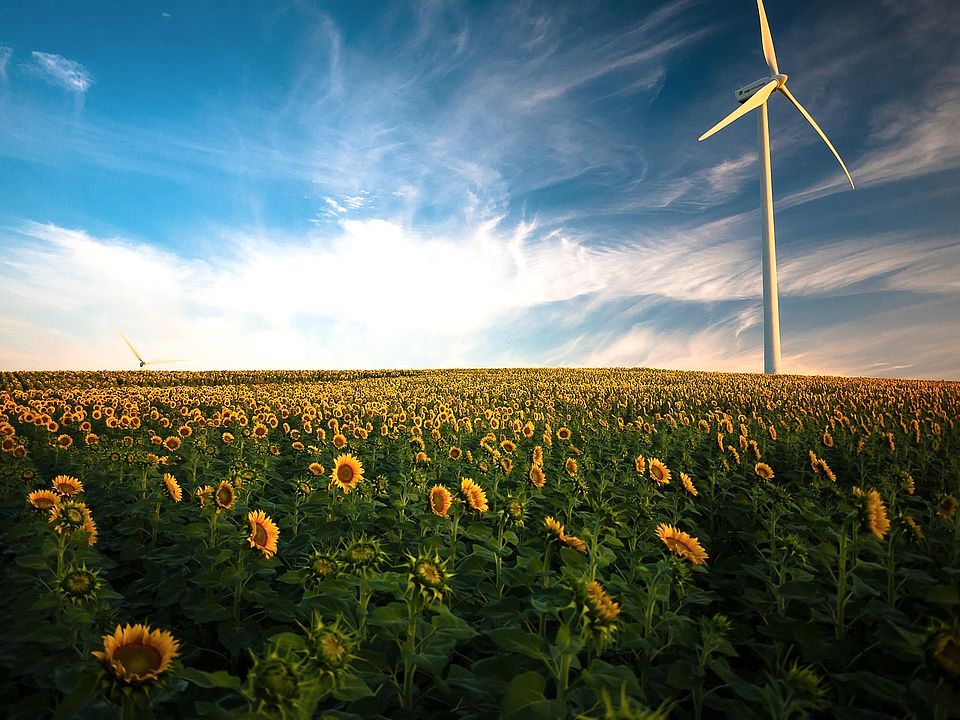







The looming challenges of climate change demand innovative approaches to agriculture, ensuring food security for a growing global population. Climate-smart farming is no longer a futuristic concept but a present-day necessity. As traditional farming methods struggle under increasingly erratic weather patterns, the development and adoption of drought-resistant crops and advanced agricultural technologies are becoming critical. Simultaneously, agri-VC 2025 and beyond will play a critical role in funding these crucial initiatives.
The Rise of Drought-Proof Crops
One of the most promising solutions lies in genetically modifying crops to withstand prolonged periods of drought. Gene-edited seeds offer the potential to increase yields in water-scarce regions, ensuring food production even under adverse conditions. These seeds are engineered to require less water and exhibit enhanced resilience to environmental stresses, revolutionizing agriculture in arid and semi-arid climates.
Examples of Drought-Resistant Crops
- Drought-tolerant maize: Developed to thrive with limited water, offering high yields in dry areas.
- Genetically modified rice: Engineered to withstand water scarcity and saline conditions.
- Drought-resistant sorghum: A staple crop in many parts of Africa, now improved through genetic engineering to enhance its drought resistance further.
These crops not only ensure food security but also contribute to the economic stability of farming communities in vulnerable regions. They represent a significant step towards building a more resilient agricultural system.
Innovative Irrigation Technologies
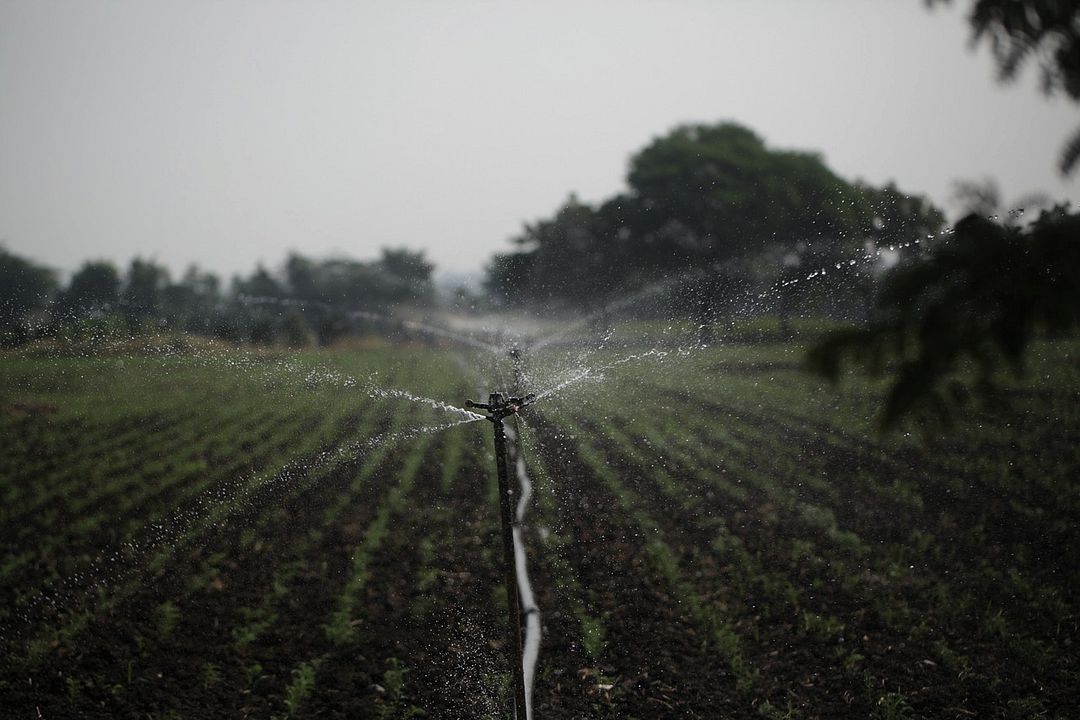
Beyond crop modification, advancements in irrigation tech are playing a crucial role in mitigating the impact of drought. Precision irrigation systems deliver water directly to plant roots, minimizing water wastage and maximizing efficiency.
Types of Advanced Irrigation Systems
These technologies help farmers optimize water usage, ensuring that crops receive the necessary hydration even during periods of drought. The implementation of these systems can significantly improve crop yields while conserving valuable water resources.
The Role of Agri-VC Funds
The development and deployment of climate-smart farming solutions require significant financial investment. Agri-VC 2025 funds are increasingly focusing on innovative companies and projects that address the challenges of climate change in agriculture. These funds provide the necessary capital for research, development, and scaling up of new technologies.
Focus Areas for Agri-VC Investments
- Biotechnology: Funding research and development of drought-resistant and climate-resilient crop varieties.
- Precision Agriculture: Supporting the development of sensor-based technologies for real-time monitoring of soil conditions and water needs.
- Sustainable Farming Practices: Investing in companies promoting regenerative agriculture and carbon sequestration in farmland.
- Irrigation Technologies: Funding the development and deployment of advanced irrigation systems.
By channeling investments into these key areas, Agri-VC funds are playing a vital role in driving innovation and accelerating the adoption of climate-resilient agricultural practices.
Building a Climate-Resilient Future
The transition to climate-resilient agriculture requires a collaborative effort involving governments, researchers, farmers, and investors. By embracing innovative technologies, promoting sustainable farming practices, and investing in research and development, we can build a more secure and sustainable food system for the future.
Key Strategies for Building Resilience
- Promote the adoption of drought-resistant crops through education and incentives. Farmers need to be aware of the benefits and have access to the necessary resources to implement these crops effectively.
- Invest in water-efficient irrigation technologies to minimize water wastage. Governments can provide subsidies and technical assistance to encourage the adoption of these systems.
- Encourage sustainable farming practices such as crop rotation and cover cropping to improve soil health and water retention. These practices can significantly enhance the resilience of agricultural systems.
- Support research and development in climate-smart agriculture to drive innovation and develop new solutions. Funding should be directed towards projects that address the specific challenges faced by different regions and farming communities.
Adopting climate-resilient agricultural practices is essential for ensuring food security in the face of climate change. The convergence of gene-edited seeds, advanced irrigation tech, and strategic investments from agri-VC 2025 presents a pathway toward a more sustainable and resilient agricultural future. By prioritizing innovation, collaboration, and sustainable practices, we can ensure that our food systems are equipped to withstand the challenges of a changing climate. Success will depend on making climate-smart agriculture the standard in the years to come.