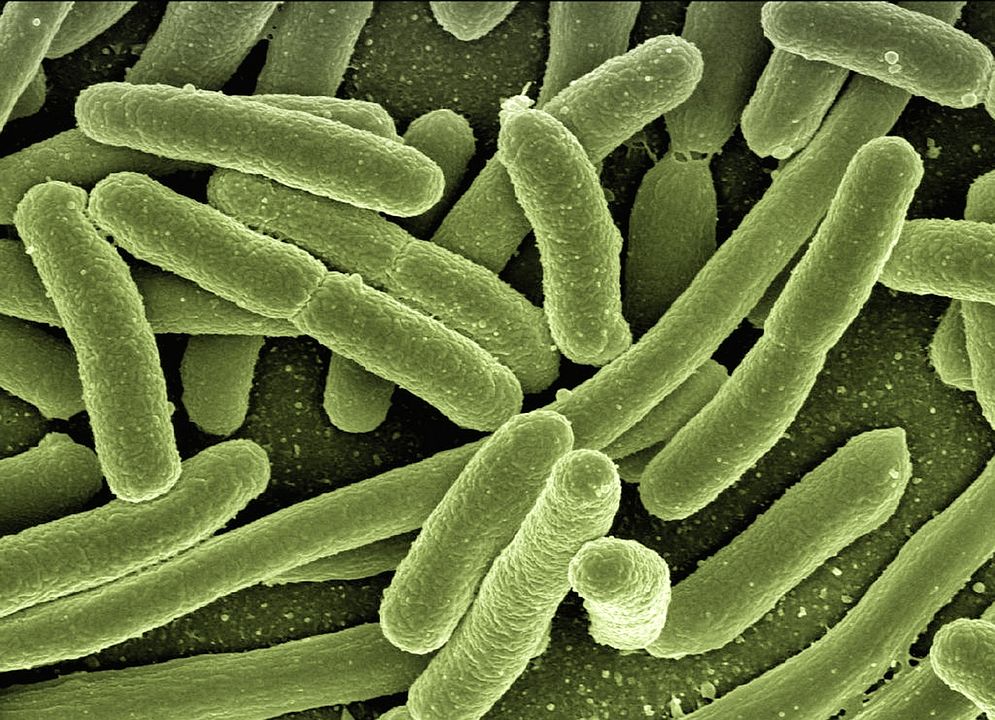

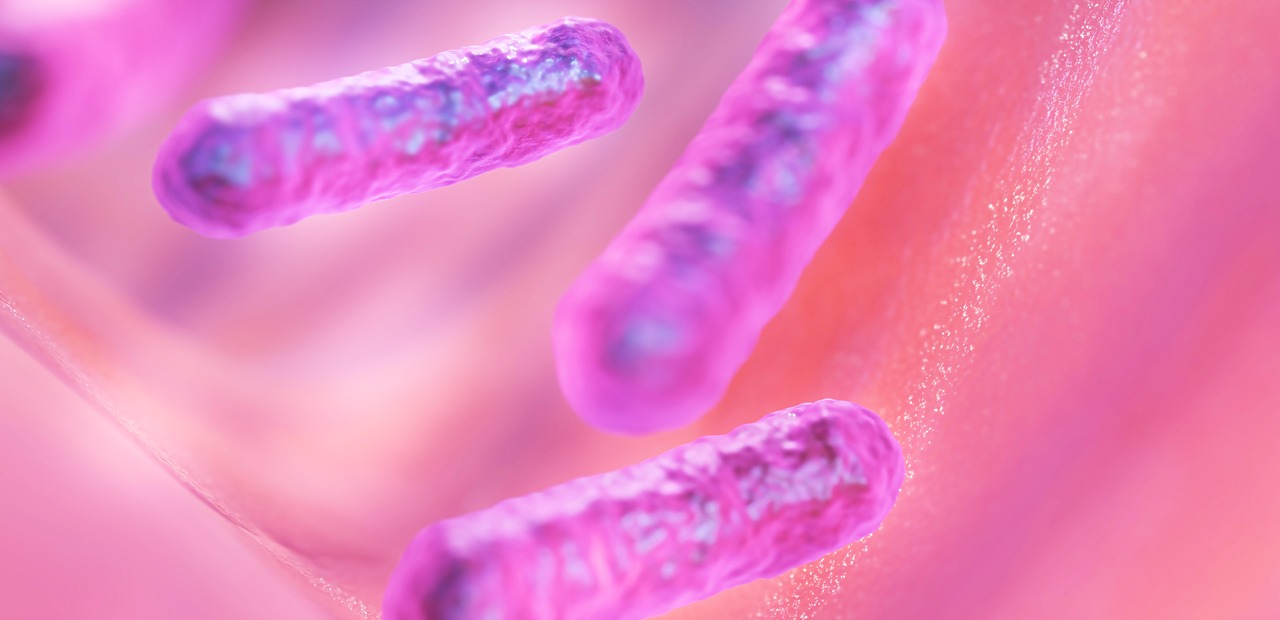






The pharmaceutical landscape shifted dramatically when the FDA approved the first gut microbiome drug in late 2022. This wasn’t your typical chemical compound or synthetic molecule—it was something entirely different. A live biotherapeutic product containing actual living microorganisms designed to restore gut health.
Ferexa (fecal microbiota, live-jslm) became the groundbreaking treatment that opened doors to an entirely new class of therapeutics. But what makes this approval so significant? And why did it take so long to get here?
The Challenge of Clostridioides Difficile
Clostridioides difficile infections represent one of the most stubborn challenges in modern medicine. This opportunistic pathogen typically strikes when antibiotic treatments wipe out beneficial gut bacteria, leaving patients vulnerable to severe, recurring infections.
Traditional treatments often fail because they don’t address the root cause—the disrupted gut ecosystem. Antibiotics might kill C. diff bacteria temporarily, but they also eliminate the protective microbes that prevent reinfection. It’s like trying to fill a bucket with a massive hole in the bottom.
The Recurrence Problem
Recurrent C. diff infections affect roughly 25-30% of patients after initial treatment. Some individuals endure multiple relapses, creating a cycle that’s both physically devastating and emotionally draining. Standard treatments include:
- Vancomycin (oral antibiotic)
- Fidaxomicin (targeted antibiotic)
- Metronidazole (for mild cases)
While these medications can clear active infections, they don’t restore the protective microbial community that prevents future episodes.
Enter Live Biotherapeutic Products
The concept behind live biotherapeutic products seems almost too simple to work. Instead of fighting infection with more antimicrobials, why not rebuild the natural defense system? This approach represents a fundamental shift from destruction to restoration.
Ferexa contains a carefully selected consortium of live bacteria derived from healthy human donors. These microorganisms work together to:
- Compete for nutrients that C. diff needs to survive
- Produce antimicrobial compounds that inhibit pathogen growth
- Restore colonization resistance through ecosystem diversity
- Stimulate immune responses that recognize and eliminate threats
“The approval of this live biotherapeutic represents a paradigm shift in how we think about treating infectious diseases” — FDA Center for Biologics Evaluation and Research
Navigating the Regulatory Pathway
The regulatory pathway for live biotherapeutics proved uniquely challenging. How do you standardize living organisms? Traditional drug development focuses on consistent chemical composition and predictable pharmacokinetics. Living therapeutics don’t follow those rules.
Novel Regulatory Framework
The FDA had to develop entirely new guidelines for evaluating live biotherapeutic products. Key considerations included:
| Regulatory Aspect | Traditional Drugs | Live Biotherapeutics |
|---|---|---|
| Manufacturing | Chemical synthesis | Microbial cultivation |
| Quality Control | Chemical purity | Microbial composition |
| Stability | Shelf-life testing | Viability maintenance |
| Mechanism | Target specificity | Ecosystem restoration |
Manufacturing consistency became particularly complex. Each batch requires precise control of growth conditions, harvesting timing, and preservation methods. The final product must maintain viability during storage and transport while ensuring consistent therapeutic effects.
Clinical Trial Challenges
Proving efficacy for ecosystem restoration required innovative trial designs. Researchers couldn’t simply measure drug concentrations in blood—they needed to track microbial engraftment, metabolic activity, and long-term colonization patterns.
The pivotal trials demonstrated remarkable results. Patients receiving Ferexa showed significantly lower recurrence rates compared to standard antibiotic treatment. More importantly, the protective effects appeared to persist long after treatment completion.
Manufacturing Living Medicine
Producing a gut microbiome drug requires biotechnology capabilities that blur the line between pharmaceutical manufacturing and microbiology. The process begins with extensive donor screening—more rigorous than blood donation protocols.
Potential donors undergo comprehensive testing for:
- Infectious diseases (HIV, hepatitis, parasites)
- Autoimmune conditions
- Recent antibiotic exposure
- Dietary restrictions and lifestyle factors
- Mental health medications
Once approved, donor samples undergo processing to concentrate beneficial microbes while removing potential pathogens. The final product contains billions of live bacteria in a carefully balanced consortium.
Quality Assurance Complexities
Traditional pharmaceutical quality control measures don’t translate directly to living therapeutics. Manufacturers must verify:
- Microbial viability throughout shelf life
- Species composition consistency between batches
- Metabolic activity of key bacterial strains
- Absence of contaminants without damaging beneficial microbes
- Genetic stability of constituent organisms
These requirements demand sophisticated analytical methods and real-time monitoring systems that pharmaceutical companies are still developing.
Clinical Impact and Real-World Results
Early real-world evidence suggests the live biotherapeutic product approach delivers on its promise. Gastroenterologists report seeing patients break free from recurrent infection cycles that had persisted for months or years.
The treatment protocol involves oral administration of the live biotherapeutic following standard antibiotic therapy. Patients typically receive the product as an oral suspension, making administration relatively straightforward compared to invasive procedures like fecal microbiota transplantation.
Patient Perspectives
Patients describe the psychological relief of having a targeted treatment option. Previous approaches often felt like rolling dice—hoping antibiotics would work while fearing the next recurrence. The microbiome-based approach offers something different: restoration rather than repeated destruction.
Some patients report improvements beyond C. diff resolution, including better digestion and reduced gastrointestinal symptoms. While these observations remain anecdotal, they hint at broader therapeutic potential.
Future Implications for Medicine
The FDA approval of the first gut microbiome drug opens pathways for treating numerous conditions linked to microbial imbalances. Researchers are investigating live biotherapeutics for:
- Inflammatory bowel disease
- Irritable bowel syndrome
- Food allergies and sensitivities
- Metabolic disorders
- Mental health conditions (via gut-brain axis)
Each application will require unique bacterial consortiums and delivery methods, but the regulatory framework now exists.
Investment and Innovation
Venture capital funding for microbiome therapeutics has surged following FDA approval. Companies are racing to develop next-generation products with enhanced specificity and broader applications.
Some promising approaches include:
- Engineered bacterial strains with enhanced therapeutic properties
- Targeted delivery systems for specific intestinal regions
- Personalized microbiome therapy based on individual patient profiles
- Combination products linking live biotherapeutics with traditional medications
Challenges and Limitations
Despite breakthrough potential, live biotherapeutics face significant hurdles. Manufacturing costs remain high due to complex production requirements and extensive quality testing. Insurance coverage varies, and many patients struggle with access.
The science also has gaps. Researchers still don’t fully understand which bacterial combinations work best for different conditions. Individual patient responses vary considerably, suggesting personalization may be necessary for optimal outcomes.
Long-term Safety Questions
While short-term safety data looks promising, long-term effects of introducing foreign microbial communities remain unknown. Will these bacteria persist indefinitely? Could they evolve in unexpected ways? Ongoing surveillance studies are tracking patients to answer these questions.
The regulatory pathway will likely evolve as more data becomes available. Future approvals may require longer follow-up periods or more extensive post-market monitoring.
Looking Ahead
The approval of the first live biotherapeutic product for Clostridioides difficile represents just the beginning. This breakthrough validates an entirely new therapeutic approach that could transform treatment for dozens of conditions.
Success will depend on continued innovation in manufacturing, quality control, and personalization. As our understanding of the microbiome deepens, these living medicines may become as common as traditional pharmaceuticals.
The human gut contains trillions of microorganisms that influence everything from digestion to immunity to mood. We’re only beginning to harness this biological complexity for therapeutic benefit. The first FDA-approved gut microbiome drug proves it’s possible—now the race is on to unlock the full potential of our microbial partners.