







WWDC 2025: A Deep Dive into Apple’s Latest Innovations
Apple’s Worldwide Developers Conference (WWDC) 2025 has concluded, leaving a trail of exciting announcements and groundbreaking innovations. From the highly anticipated iOS 19 to the next iteration of visionOS and significant advancements in Mac AI, this year’s conference showcased Apple’s unwavering commitment to pushing the boundaries of technology. Let’s delve into the key highlights of WWDC 2025.
iOS 19: A Smarter, More Intuitive Mobile Experience
iOS 19 brings a host of new features designed to enhance user experience and streamline daily tasks. One of the most notable additions is the improved Siri integration, leveraging on-device AI to provide more context-aware and personalized responses. Siri can now understand complex queries and offer proactive suggestions based on user habits and location. For instance, if you routinely order coffee at the same café every morning, Siri might suggest placing the order automatically as you approach the location. This level of intelligent automation aims to make everyday tasks effortless.
The update also introduces a redesigned Control Center, offering greater customization options and quick access to frequently used settings. Users can now create custom widgets and arrange them according to their preferences, providing a personalized and efficient way to manage their devices. Furthermore, iOS 19 boasts enhanced privacy features, including improved app tracking transparency and more granular control over location data. These enhancements reflect Apple’s ongoing commitment to protecting user privacy and data security.
Another significant update is the enhanced augmented reality (AR) capabilities. iOS 19 leverages the advanced hardware capabilities of the latest iPhones and iPads to deliver more immersive and realistic AR experiences. Developers can now create even more compelling AR applications, ranging from interactive games to practical tools for home improvement and education. This focus on AR underscores Apple’s belief in the transformative potential of augmented reality and its commitment to fostering innovation in this space.
visionOS 3: Expanding the Horizons of Spatial Computing
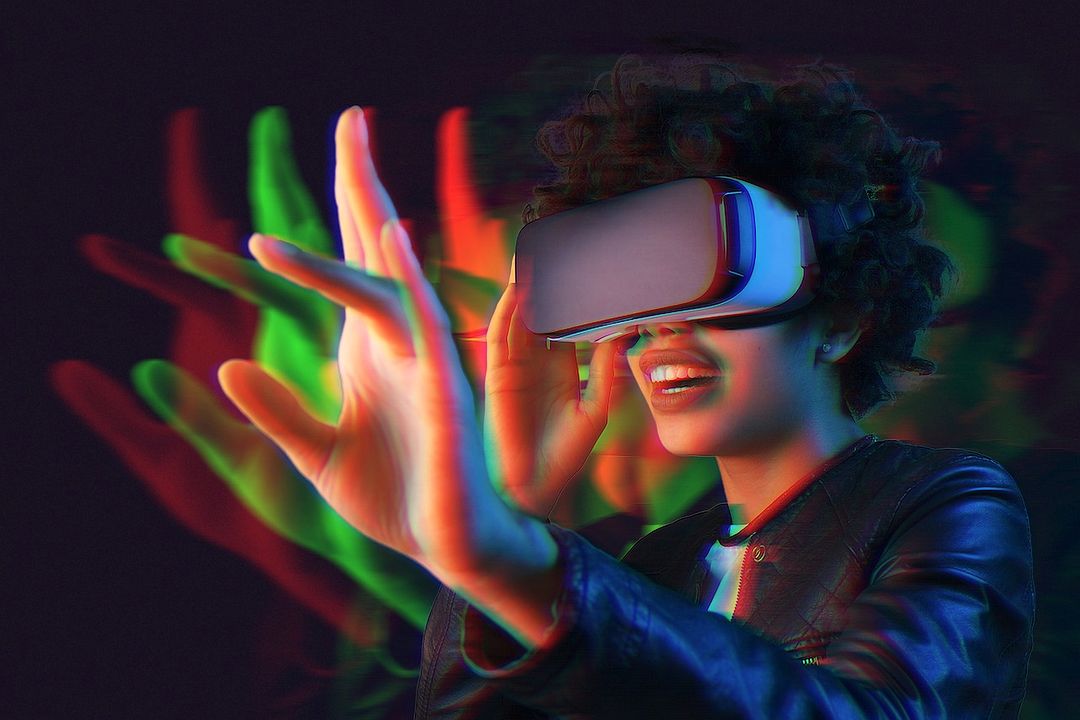
Following the initial release of the Vision Pro, visionOS 3 introduces a range of new features and improvements designed to enhance the spatial computing experience. This update focuses on making visionOS more intuitive, responsive, and versatile. A key highlight is the enhanced hand tracking and gesture recognition, allowing for more natural and seamless interactions within the virtual environment. The system now accurately interprets a wider range of gestures, enabling users to perform complex tasks with ease.
visionOS 3 also introduces enhanced collaboration tools, enabling multiple users to interact within the same virtual space. This feature is particularly useful for remote teams working on collaborative projects, allowing them to share ideas, brainstorm, and review designs in a shared virtual environment. Imagine architects collaborating on a building design, engineers working on a product prototype, or educators conducting virtual field trips – all within the immersive world of visionOS.
Furthermore, visionOS 3 brings a wider range of compatible applications and content, expanding the possibilities for entertainment, productivity, and creativity. Apple has worked closely with developers to create innovative applications that take full advantage of the unique capabilities of the Vision Pro. These applications range from immersive gaming experiences to powerful productivity tools that transform the way we work and learn. The improved developer tools and resources make it easier than ever for creators to build compelling spatial computing experiences.
The update addresses many user feedbacks on comfort and usability, further solidifying the platform for a more immersive and accessible experience. Improved battery optimization and enhanced thermal management contribute to creating a richer spatial experience for long-term users.
Mac AI: Transforming the Mac Experience with Artificial Intelligence
Apple has been making significant strides in integrating artificial intelligence (AI) into its Mac ecosystem, and WWDC 2025 marked a major milestone in this endeavor. The latest Macs are equipped with powerful new processors designed specifically for AI workloads, enabling them to handle complex AI tasks with remarkable speed and efficiency. This investment in AI hardware is complemented by a suite of new software features that leverage AI to enhance user productivity and creativity.
One of the most exciting developments is the integration of AI-powered tools into popular Mac applications like Final Cut Pro and Logic Pro. These tools can automatically identify and correct common editing issues, such as audio hum or camera shake, saving users valuable time and effort. AI-powered features allows users to automate complex workflows and generate content more efficiently as well.
Another key area of focus is AI-driven search and organization. The updated Spotlight search engine can now understand natural language queries and provide more relevant results, making it easier to find the information you need. AI-powered organizational tools can automatically categorize files, tag images, and create smart folders, helping you stay organized and productive. These features can reduce frustration and greatly boosts productivity allowing users to focus on core competencies.
Apple’s commitment to AI extends beyond productivity tools. The company is also exploring the use of AI to enhance creative expression. AI-powered music composition tools can help musicians generate new ideas, while AI-assisted image editing tools can help photographers enhance their photos with stunning effects. These tools empower users to explore their creativity and unlock new artistic possibilities.
Vision Pro 2: The Next Generation of Spatial Computing
The announcement of Vision Pro 2 generated a significant buzz at WWDC 2025. Building upon the foundation of the original Vision Pro, the second generation headset introduces a range of enhancements designed to improve performance, comfort, and usability. One of the most notable upgrades is the improved display technology, offering even sharper visuals and wider field of view. This makes the virtual world appear even more realistic and immersive.
The Vision Pro 2 also features a lighter and more ergonomic design, making it more comfortable to wear for extended periods of time. The headset is now made from even lighter materials and features a redesigned head strap that distributes weight more evenly. This addresses concerns about comfort and usability of a head-worn design.
In addition to hardware improvements, the Vision Pro 2 features enhanced software capabilities, including improved hand tracking, gesture recognition, and spatial audio. These enhancements contribute to a more natural and intuitive user experience, allowing users to interact with the virtual world more seamlessly. Apple’s persistent refinement aims for better user satisfaction and engagement with Vision Pro technologies.
The introduction of cross-platform development tools also allow developers to seamlessly build apps for iOS, macOS, and visionOS. This unified ecosystem encourages further innovation and expands the availability of creative content and user experiences.
Conclusion
WWDC 2025 showcased Apple’s relentless pursuit of innovation and its commitment to delivering exceptional user experiences. From the enhanced intelligence of iOS 19 to the expanded horizons of visionOS 3 and the transformative power of Mac AI, Apple continues to push the boundaries of technology. The Vision Pro 2 represents a significant step forward in the evolution of spatial computing, paving the way for a future where technology seamlessly blends with our physical world. Apple has successfully reinforced their dominance in the consumer electronics and software services markets.