


Introduction: A Mysterious Brew with Ancient Roots
In the dense Amazonian jungles, where medicinal knowledge is woven into tribal rituals and plant spirits are as real as the trees, ayahuasca has been brewed for centuries — if not millennia. Whispered about in spiritual circles and recently gaining traction among neuroscientists, it’s both a sacred healing tool and a biochemical enigma.
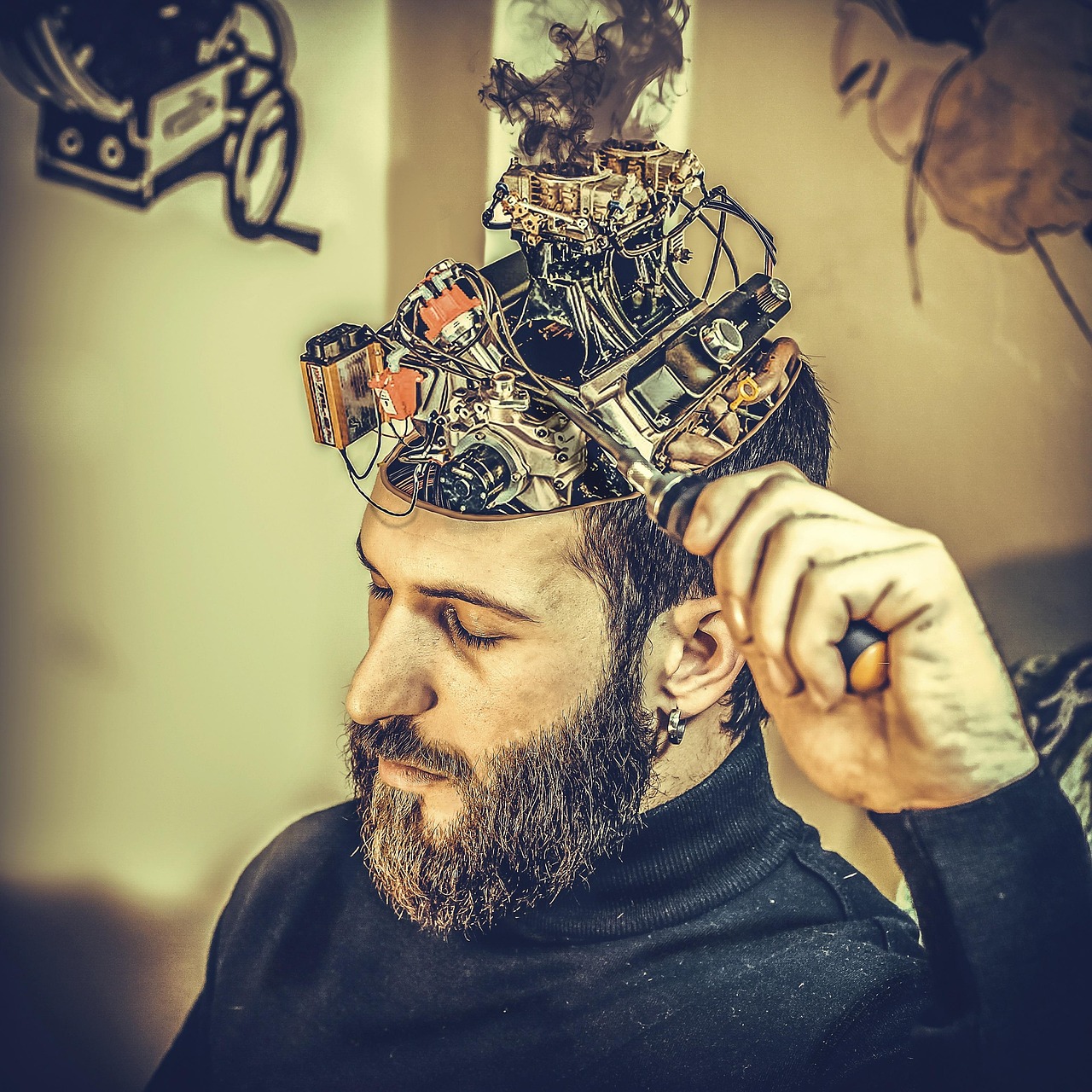
But what really happens when someone drinks ayahuasca? Is it just another psychedelic trip? Or something that rewires the brain, potentially resetting trauma like a hard reboot?
This in-depth, science-backed exploration will cover the core biochemical mechanics of the brew, its main psychoactive compound DMT, ayahuasca’s neurobiology, and its systemic effects — all while honoring the indigenous roots from which it came.
What is Ayahuasca? A Botanical Overview
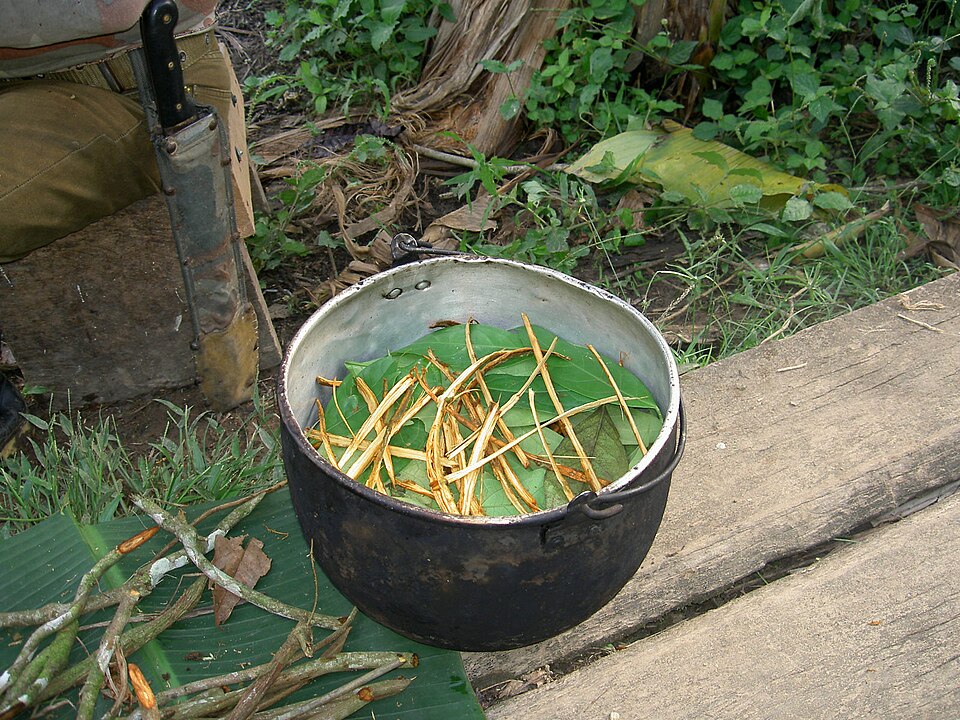
At its core, ayahuasca is made from two main plants:
- Banisteriopsis caapi (the vine)
- Psychotria viridis (leafy shrub containing DMT)
The Two-Plant Formula
| Plant Name | Active Compounds | Function in Brew |
|---|---|---|
| Banisteriopsis caapi | Harmine, harmaline, tetrahydroharmine | MAO inhibitors (make DMT orally active) |
| Psychotria viridis | N,N-Dimethyltryptamine (DMT) | Primary psychedelic compound |
This combination allows DMT — which is usually broken down in the stomach — to reach the central nervous system intact, producing profound alterations in consciousness.
The Chemistry Behind It: How Ayahuasca Works
At the center of ayahuasca science is the way it sidesteps normal digestive processes. Generally, DMT is destroyed by monoamine oxidase (MAO) enzymes in the gut. However, B. caapi contains MAO inhibitors (MAOIs) that block this, making DMT orally active.
Step-by-Step Breakdown:
- Ingest brew
- MAOIs block digestive enzymes
- DMT survives journey to bloodstream
- Crosses blood-brain barrier
- Interacts with serotonin receptors (particularly 5-HT2A)
This creates the psychedelic experience — but not just any experience. People often describe encounters with geometric patterns, archetypal beings, and life-changing insights. From a neuroscience perspective, this is when things get especially interesting.
“Ayahuasca is unique because it contains both a psychoactive compound and its own biochemical key to activate it.”
The Role of DMT: The Spirit Molecule
N,N-Dimethyltryptamine (DMT) is often called the “spirit molecule” — primarily due to its profound and mysterious effects. But we’re just starting to scratch the surface of what it does on a neurobiological level.
DMT Effects Observed in Scientific Studies:
- Increases in theta and gamma brainwaves (associated with deep meditation and REM sleep)
- Enhanced functional connectivity in the brain
- Reduced activity in the default mode network (DMN) — a brain system linked to ego/self-referential thinking
Interestingly, this disruption of the DMN correlates with the loss of body boundaries or “ego death” that users often report.
“Studies indicate that DMT reduces rigid neural patterns, which may explain its therapeutic potential for disorders like PTSD and depression.” — Academic Research Findings
The Neurobiological Effects of Ayahuasca
Here’s where things really light up — or quiet down, depending on how you look at brain scans.
Brain Imaging Research Highlights:
| Imaging Method | Finding |
|---|---|
| fMRI | Boosted connectivity between normally isolated brain regions |
| EEG | Increased synchronization at theta/gamma frequencies |
| PET | Heightened neurotransmitter activity (e.g., serotonin) |
Researchers are increasingly interested in how ayahuasca impacts neuroplasticity — the brain’s ability to reorganize and create new connections. This could make it incredibly useful in psychotherapy, addiction recovery, and trauma resolution.
MAO Inhibitors: The Silent Alchemists
While DMT gets the spotlight, the MAO inhibitors in B. caapi are vital. These substances — mainly harmine and harmaline — function as reversible inhibitors of monoamine oxidase-A (RIMAs), allowing DMT to reach the brain.
But they do more than that.
MAOIs Also…
- Exhibit antidepressant effects on their own
- Promote neurogenesis (growth of new neurons)
- May modulate levels of dopamine and serotonin
Interestingly, studies have shown that just taking harmine (without DMT) led to improved mood markers in animals.
“The vine itself has healing powers — not just the vision leaf.”
Psychedelics Analysis: Comparing Ayahuasca to Other Entheogens
Let’s compare ayahuasca against some of the most studied psychedelics:
| Compound | Source | Duration | Mechanism | Healing Potential |
|---|---|---|---|---|
| Ayahuasca | Vine + DMT plant | 4–6 hours | 5-HT2A + MAOI | High |
| Psilocybin | Mushrooms | 4–6 hours | 5-HT2A | High |
| LSD | Synthetic | 8–12 hours | 5-HT2A | Moderate to High |
| MDMA | Synthetic | 3–5 hours | 5-HT, NE, DA release | Moderate (esp. PTSD) |
Ayahuasca stands out due to its complex synergy of ingredients and its deep ties to ceremonial and therapeutic contexts.
Personal Accounts: Anecdotes from Science and Ceremony
Some neuroscientists who’ve participated in ayahuasca retreats report lasting improvements in their emotional regulation and creative thinking. And while anecdotes aren’t data, they’re not meaningless.
A researcher shared that after their third ceremony:
“I realized my fear of failure was rooted in childhood messaging. Once I saw it clearly, it lost its power.”
Others describe reduction in symptoms of depression, anxiety, or addiction — sometimes even after years of unsuccessful treatment.
Challenges and Risks
Let’s not romanticize too much. There are very real challenges when it comes to psychedelic therapy, especially with powerful agents like ayahuasca:
- May trigger psychosis in vulnerable individuals
- Can interact dangerously with SSRIs or other meds
- Requires careful integration and guidance — not a casual Saturday trip
- Intensity of emotional purging can be traumatic
Responsible use includes:
- Medical screening
- Skilled facilitators
- Integration therapy afterward
Future of Ayahuasca Research
In recent years, ayahuasca studies have expanded globally, with centers in Spain, Brazil, and even some North American universities studying its therapeutic potential.
What’s Next:
- More randomized controlled trials (RCTs)
- Standardized dosing protocols
- Cross-cultural collaborative research
And maybe, a scientific framework that doesn’t dilute its sacred context.
“Bringing together lab analysis and spiritual integrity may be the key to ayahuasca’s future.”
Final Thoughts: A Brew Between Science and Spirit
Ayahuasca isn’t just a drug; it’s a phenomenon. Rooted in Amazonian tradition and blossoming in global consciousness, it stands at the intersection of botany, biochemistry, ayahuasca neurobiology, and metaphysical meaning.
Whether you view it as medicine, sacrament, or psychotropic anomaly, one thing is clear:
It changes people. And science is starting to understand how.