





Smart Rings Showdown: Oura Ring 4 vs. Samsung Galaxy Ring
The wearable health ring market is heating up, and two names are leading the charge: Oura and Samsung. The Oura Ring has been a dominant player for years, while the highly anticipated Samsung Galaxy Ring is poised to be a major contender. But which ring is right for you? Let’s dive into a detailed comparison.
Design and Comfort
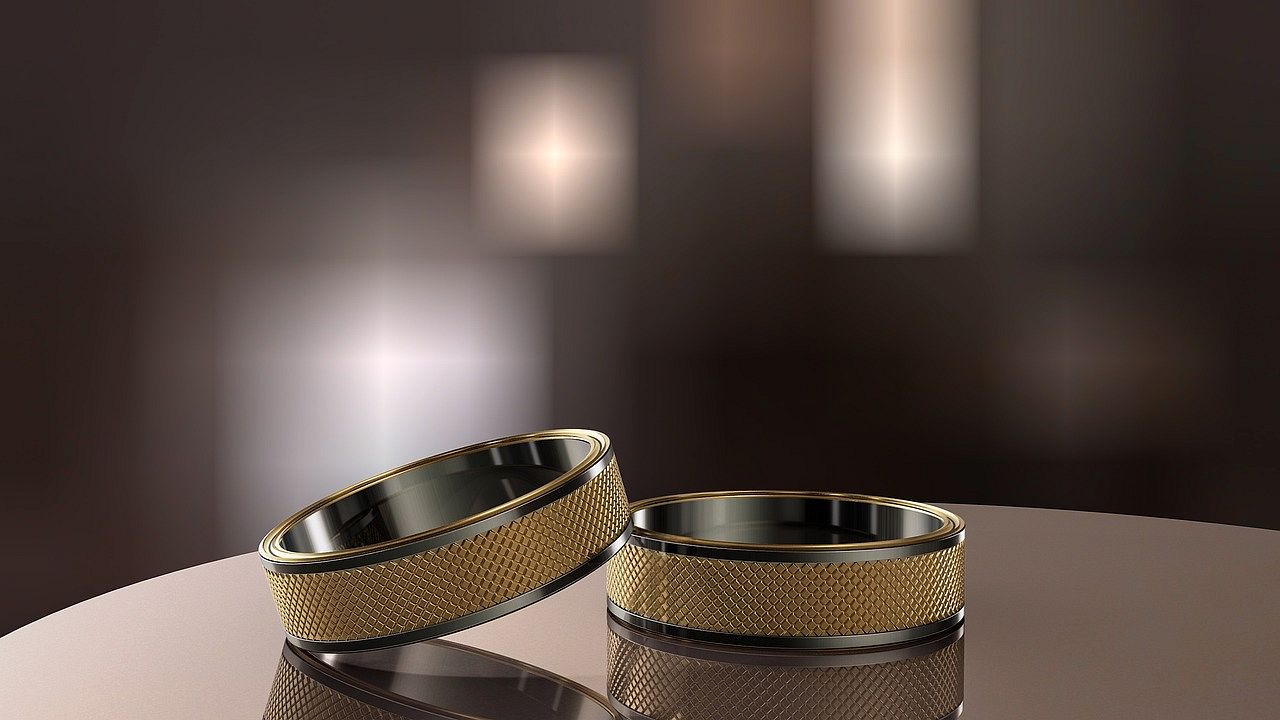
The Oura Ring 4 boasts a sleek, minimalist titanium design. It’s lightweight and comfortable for 24/7 wear. It’s available in various finishes, including silver, black, gold, and rose gold, and now even a special Gen4 Horizon version, which is circular instead of subtly pointed.
The Samsung Galaxy Ring’s design details are still emerging, but from what’s been shown, it appears to be following a similar form factor. Rumours suggest a variety of colours and sizes, aiming for a comfortable fit for a wide range of users.
Key Differences to Consider: Oura has established its design and comfort, while Samsung’s design is mostly speculation until release. The comfort depends on personal preference, but both rings prioritize lightweight materials.
Health Tracking Features
Sleep Tracking
Both rings focus on sleep tracking, arguably their most crucial function. The Oura Ring 4 is known for its detailed sleep analysis, tracking sleep stages (light, deep, REM), heart rate variability (HRV), and body temperature. According to Oura, “Our sleep staging algorithm is clinically validated and matches the gold standard of polysomnography with 79% agreement.”
The Samsung Galaxy Ring is expected to offer similar sleep tracking capabilities, potentially integrating with Samsung Health for a comprehensive overview of your health data. It is rumored to even be able to detect sleep apnea. However, independent testing will be needed to assess its accuracy.
Why This Matters: Accurate sleep tracking can help you identify patterns, understand your sleep quality, and make lifestyle changes to improve your rest.
Activity Tracking
While not primarily activity trackers like smartwatches, both rings offer some activity tracking features. The Oura Ring 4 tracks steps, activity levels, and calories burned. It provides personalized daily activity goals.
The Samsung Galaxy Ring is likely to offer similar basic activity tracking, potentially leveraging Samsung’s existing fitness tracking expertise. We expect integration with Samsung’s workout modes for more specific activity recording.
Real-World Example: I’ve found the Oura Ring’s inactivity alerts useful, prompting me to get up and move around if I’ve been sitting for too long. Other users have shared similar experiences.
Temperature Sensing
Temperature sensing is another important feature. The Oura Ring 4 tracks your body temperature throughout the night, helping you identify potential illnesses (like a fever) or track your menstrual cycle.
Samsung is bringing this function to their ring, but the specifics of its temperature sensing capabilities hasn’t been revealed.
Key Health Metrics Compared
| Feature | Oura Ring 4 | Samsung Galaxy Ring |
|---|---|---|
| Sleep Tracking | Detailed, clinically validated | Expected to be comprehensive |
| Activity Tracking | Basic, personalized goals | Rumored to be competitive based on S Health integration |
| Temperature | Continuous monitoring | Functionality remains largely hidden |
| HRV | Tracks HRV during sleep | Likely to track HRV |
| Blood Oxygen | Tracks Blood Oxygen during sleep | Functionality remains largely hidden |
Battery Life
The Oura Ring 4 typically lasts for 4-7 days on a single charge, depending on usage. It charges wirelessly via a charging dock.
Battery life for the Samsung Galaxy Ring is still unknown. Analysts predict that it will go head to head with the Oura Ring, with a slight edge going to Samsung for expected bigger battery.
Consider this: Battery life is crucial for continuous monitoring. A longer battery life means less frequent charging and uninterrupted data collection.
Subscription Model
The Oura Ring operates on a subscription model. While the ring itself comes at a significant upfront cost (several hundreds of dollars), a monthly subscription is required to access the full suite of health data and insights. Without the subscription, you only see basic data.
Whether Samsung will follow a similar subscription model remains to be seen. There are some rumors pointing toward the Galaxy Ring subscription model.
“The subscription model has become increasingly common in the wearable tech space, allowing companies to generate recurring revenue and provide ongoing value to users,” — Wearable Technology Market Analysis Report
My Take: The subscription model is a potential drawback for Oura. Some users find it frustrating to pay a monthly fee on top of the initial cost of the ring. It will be interesting to see if Samsung capitalizes on this by offering a different pricing strategy.
Ecosystem and Integration
The Oura Ring integrates with various health and fitness apps, including Apple Health and Google Fit. This allows you to consolidate your health data in one place.
The Samsung Galaxy Ring is expected to deeply integrate with the Samsung ecosystem, particularly Samsung Health. It will likely also integrate with other popular health and fitness apps.
Early Verdict
The Oura Ring 4 remains a top pick for those seeking detailed sleep and health tracking in a discreet form factor. With extensive data, it can certainly help many prioritize sleep and health.
The Samsung Galaxy Ring presents a compelling alternative, especially for those already invested in the Samsung ecosystem. It is bringing fresh competition into the smart ring market.
Final Thought: The best ring for you depends on your individual needs, budget, and preferences. The features are converging quickly, so the choice will likely come down to brand loyalty and ecosystem integration.