







Navigating the investment landscape is always a challenge, and 2025 promises to be no different. Shifting economic winds, technological advancements, and geopolitical uncertainties all play a role. The key is understanding these forces and making informed decisions based on your risk tolerance and financial goals.
Key Investment Trends to Watch in 2025
Several significant trends are poised to shape the investment landscape in 2025. Keeping an eye on these will be crucial for identifying potential opportunities and mitigating risks.
Sustainable and ESG Investing
Environmental, Social, and Governance (ESG) factors are becoming increasingly important to investors. This isn’t just a feel-good trend; it’s driven by a growing recognition that companies with strong ESG practices tend to perform better in the long run. We will see growing demand for green bonds, renewable energy projects, and companies with transparent and ethical supply chains.
- ESG Funds: Expect further growth in ESG-focused ETFs and mutual funds.
- Impact Investing: Increased interest in investments that generate both financial returns and positive social or environmental impact.
Technological Innovation
Technology continues to disrupt industries and create new investment opportunities. Areas like artificial intelligence (AI), blockchain, and biotechnology are ripe with potential – but also come with their share of risks.
- Artificial Intelligence (AI): Companies developing and implementing AI solutions across various sectors, from healthcare to finance, should see continuing interest.
- Blockchain Technology: Beyond cryptocurrencies, blockchain’s applications in supply chain management, digital identity, and decentralized finance (DeFi) offer diverse investment avenues. It might be worthwhile to look into distributed ledger technology as well.
- Biotechnology: Advances in gene editing, personalized medicine, and drug development present significant opportunities, though they also come with high research and development costs and regulatory hurdles.
Rise of Alternative Assets
As traditional asset classes face volatility, investors are increasingly looking to alternative investments to diversify their portfolios. This includes private equity, real estate, and infrastructure projects.
- Private Equity: Investing in private companies can offer higher returns, but it also comes with greater illiquidity and risk.
- Real Estate: Despite concerns about rising interest rates, certain segments of the real estate market, such as industrial and logistics properties, may remain attractive. It seems investment here can be safe, but research is key.
- Infrastructure: Governments are investing in infrastructure projects around the world to stimulate economic growth. These projects, such as renewable energy, transportation, and telecommunications, provide long-term investment opportunities.
Geopolitical Instability
Geopolitical tensions and uncertainties can significantly impact investment markets. Monitoring global events and assessing their potential consequences is crucial.
Investment Choices for 2025
So, with all these trends in mind, what are some specific investment choices to consider for 2025? There are many, but these stand out.
Stocks
The stock market remains a fundamental part of most investment portfolios. However, selecting the right stocks requires careful analysis. Focus on companies with strong fundamentals, competitive advantages, and growth potential. It seems the younger crowd are driving trends here.
Bonds
Bonds offer a more conservative investment option compared to stocks. They can provide stability and income, especially during times of market volatility. Consider government bonds, corporate bonds, and municipal bonds, each with its own risk-reward profile.
Real Estate Investment Trusts (REITs)
REITs allow you to invest in real estate without directly owning property. They offer diversification and income potential. Look for REITs focused on sectors with strong growth prospects, such as data centers, logistics facilities, and multifamily housing.
Commodities
Commodities, such as gold, oil, and agricultural products, can serve as a hedge against inflation and currency devaluation. Consider investing in commodities through ETFs or futures contracts. Be mindful of the volatility and complexity associated with commodity markets.
Cryptocurrencies
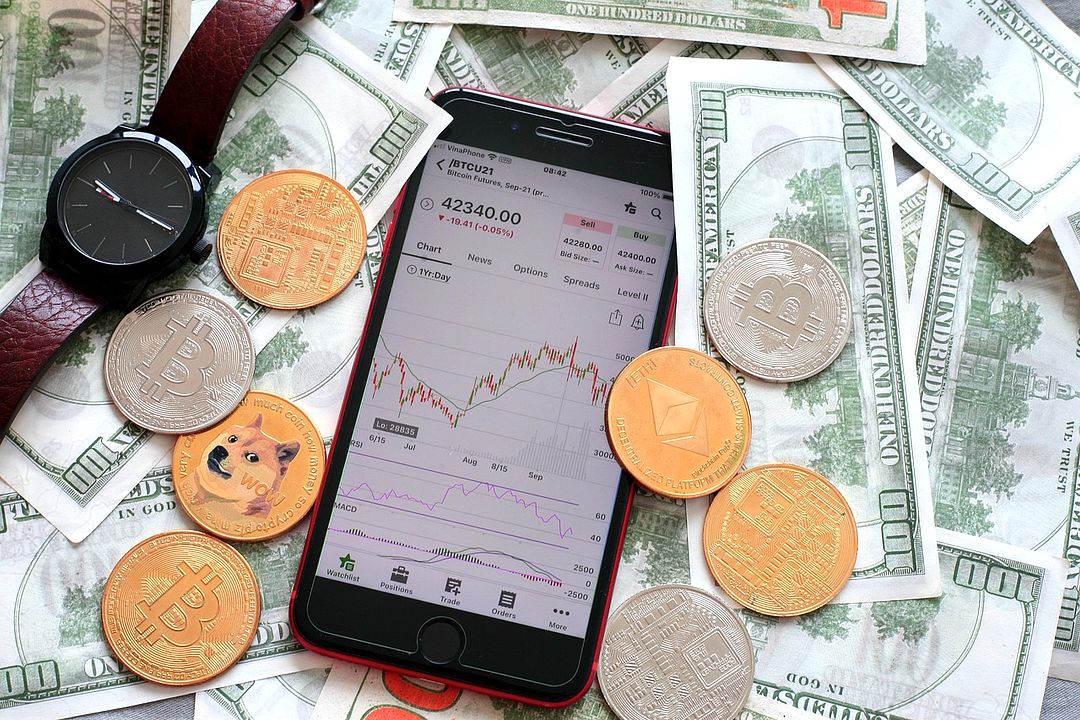
Investing in digital currencies is risky, but can also be rewarding. Bitcoin, Etherium and other crypto options are worth exploring.
ETFs and Mutual Funds
Exchange-Traded Funds (ETFs) and mutual funds offer a convenient way to diversify your portfolio across different asset classes and sectors. Choose funds with low expense ratios and a proven track record.
Navigating the Risks
Investing always involves risk, and understanding these risks is paramount. Some major potential hazards are worth noting.
Inflation
Rising inflation can erode the purchasing power of your investments. Consider investing in assets that tend to perform well during inflationary periods, such as real estate, commodities, and inflation-protected securities.
Interest Rate Hikes
Rising interest rates can negatively impact bond prices and increase borrowing costs for companies. Monitor interest rate trends and adjust your portfolio accordingly.
Market Volatility
Stock market corrections and bear markets can lead to significant losses. Be prepared for market volatility by diversifying your portfolio, setting realistic expectations, and staying disciplined with your investment strategy. Remember, investing is a long-term game.
Regulatory Changes
Changes in regulations can impact various industries and investment sectors. Stay informed about regulatory developments and their potential implications for your portfolio.
Expert Insights
“The key to successful investing in 2025 will be adaptability and a willingness to embrace new technologies and investment strategies.”
“Industry research shows a growing preference for sustainable and ESG-focused investments among both institutional and retail investors.” — Manufacturing Industry Report
Conclusion
Investing in 2025 requires a proactive and informed approach. By understanding the key trends, carefully considering your investment choices, and managing risks effectively, you can position yourself for success in the evolving market landscape. Stay curious, continue to learn, and consult with qualified financial advisors to make informed decisions that align with your financial goals.
Include a Table comparing investment asset classes.
| Investment Class | Potential Return | Risk Level | Liquidity | Considerations |
|---|---|---|---|---|
| Stocks | High | High | High | Market Volatility, Company Performance |
| Bonds | Moderate | Low to Moderate | High | Interest Rate Sensitivity, Credit Risk |
| Real Estate | Moderate to High | Moderate | Low | Illiquidity, Property Management |
| Commodities | Variable | High | Moderate | Market Speculation, Geopolitical Events |
| Cryptocurrencies | Very High | Very High | Varies | Market Volatility, Regulatory Uncertainty |
| ETFs/Mutual Funds | Varies | Varies | High | Diversification, Management Fees |