





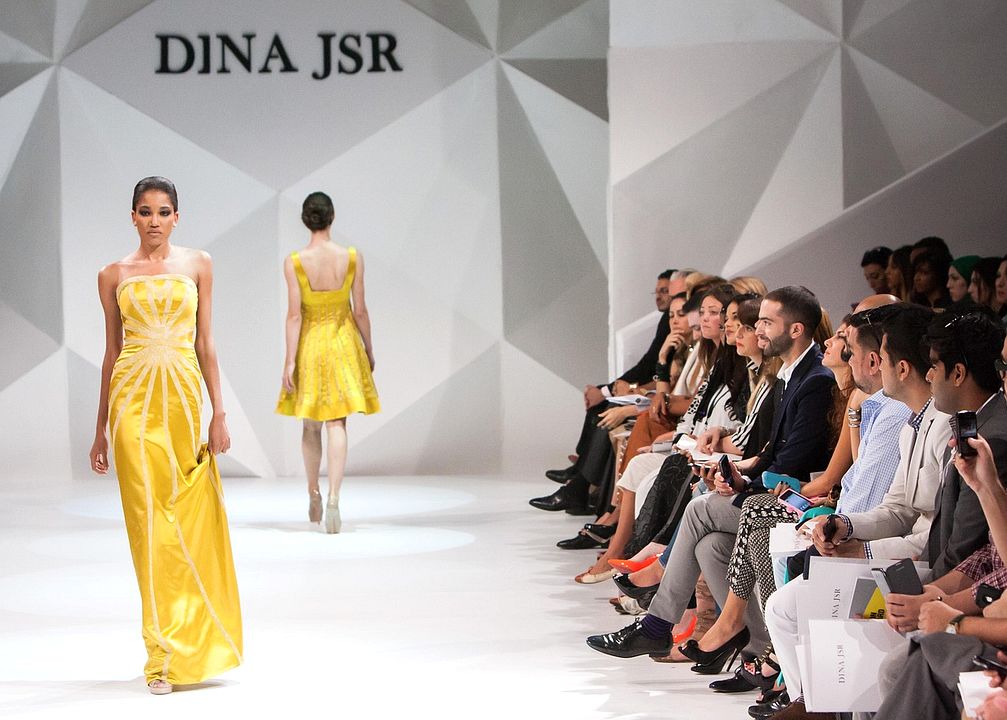
The fashion industry’s relationship with sustainability has been, well, complicated. But something fascinating is happening on runways from Milan to New York—ocean plastic textiles and upcycled PET fabric are becoming the new black. Luxury brands that once turned their noses up at anything remotely “recycled” are now embracing circular economy principles with surprising enthusiasm.
The Plastic Problem Meets Fashion Innovation
Every minute, roughly a garbage truck’s worth of plastic enters our oceans. That’s a staggering reality that finally caught the attention of fashion executives who’d rather discuss thread counts than environmental impact. But here’s where it gets interesting—those same plastic bottles floating in the Pacific could end up as a $3,000 evening gown.
Upcycled PET fabric has emerged as the unlikely hero of this transformation. PET (polyethylene terephthalate) bottles can be chemically broken down and respun into fibers that rival virgin polyester in quality. The process isn’t exactly simple, though. It involves collection, sorting, cleaning, shredding, melting, and finally spinning into new textile fibers.
The Technical Revolution Behind Ocean Plastics
Transforming ocean plastic textiles into luxury fashion requires serious technical wizardry. The plastic collected from beaches and waterways often contains salt, sand, and various contaminants that would make your average textile engineer break out in a cold sweat.
| Processing Stage | Challenge | Innovation Solution |
|---|---|---|
| Collection | Mixed plastic types | Advanced sorting technology |
| Purification | Salt and contaminant removal | Multi-stage washing systems |
| Fiber Creation | Maintaining quality standards | Precision molecular engineering |
| Weaving | Achieving luxury feel | Blending with premium fibers |
Some companies have developed proprietary cleaning processes that can remove up to 99.9% of ocean contaminants while preserving the plastic’s structural integrity. It’s basically giving discarded bottles a spa treatment before their fashion makeover.
Luxury Brands Embrace the Circular Revolution
The shift toward sustainable couture isn’t just about feeling good—it’s becoming a competitive necessity. Younger consumers, particularly Gen Z, are voting with their wallets for brands that demonstrate genuine environmental commitment.
Prada made headlines with their Re-Nylon collection, transforming fishing nets and plastic waste into their iconic nylon bags. The move was initially met with skepticism—would customers really pay luxury prices for “trash bags”? Turns out, they absolutely would. The collection sold out faster than traditional lines.
Stella McCartney has been pushing circular economy principles since before it was trendy. Her team has experimented with everything from mushroom leather to lab-grown silk, but their work with recycled ocean plastics represents perhaps their most scalable innovation yet.
“The future of fashion lies not in what we take from the earth, but in how we reimagine what we’ve already created.” — Sustainability Research Institute
The Economics of Circular Fashion
Here’s something that might surprise you—upcycled PET fabric can actually be more expensive to produce than virgin materials. The collection, sorting, and processing infrastructure required is substantial. Yet brands are finding ways to make the economics work.
The key lies in volume and efficiency improvements. As more companies invest in recycling technology, costs are dropping significantly. Early adopters paid premium prices for small batches of recycled materials. Now, some manufacturers can produce ocean plastic textiles at near-parity with conventional fabrics.
Supply Chain Innovations
Building a reliable supply chain for recycled materials has required creative partnerships. Fashion brands are now working directly with waste management companies, ocean cleanup organizations, and even beverage manufacturers to secure consistent material flows.
Some brands have established their own collection networks. They partner with fishing communities to buy back discarded nets and plastic waste, creating economic incentives for ocean cleanup while securing raw materials for their sustainable couture lines.
Technical Challenges and Breakthrough Solutions
Working with recycled materials presents unique technical hurdles that don’t exist with virgin fibers. Upcycled PET fabric can have inconsistent dye uptake, varying fiber lengths, and unpredictable behavior during weaving.
But innovation thrives under constraint. Textile engineers have developed new dyeing techniques specifically for recycled fibers, creating colors that were impossible with traditional methods. Some brands have turned these “limitations” into signature aesthetic features.
The fiber quality issue has been largely solved through blending strategies. By combining recycled ocean plastics with small percentages of virgin or other sustainable fibers, manufacturers can achieve the hand-feel and durability that luxury consumers expect.
Consumer Perception and Market Response
Initially, there was concern about whether consumers would accept ocean plastic textiles in high-end fashion. The association with “waste” seemed fundamentally at odds with luxury positioning. Those concerns have proven largely unfounded.
Focus groups reveal that consumers actually prefer knowing the origin story of their garments. A dress made from ocean plastic carries more emotional weight than one made from generic polyester. It becomes a conversation piece, a statement of values.
The Storytelling Advantage
Luxury fashion has always been about narrative, and circular economy materials provide compelling stories. Brands can trace specific garments back to beach cleanups or fishing community partnerships. This traceability adds authenticity that resonates strongly with conscious consumers.
Some companies have created digital passports for their sustainable couture pieces, allowing owners to track exactly which ocean plastic went into their garment and what environmental impact was achieved.
Future Horizons in Circular Fashion
The technology continues advancing rapidly. New chemical recycling processes can break down mixed textile waste—cotton-polyester blends that were previously impossible to recycle—into component materials for reuse.
Biochemical innovations are enabling the creation of plastic-eating enzymes that can process ocean waste more efficiently than mechanical methods. These biological solutions could dramatically reduce the cost and complexity of transforming waste into upcycled PET fabric.
Scaling Global Impact
The real potential lies in scale. Currently, ocean plastic textiles represent a tiny fraction of global textile production. But projections suggest that recycled materials could account for 30-40% of luxury fashion materials within the next decade.
This shift represents more than environmental benefits—it’s reshaping the entire fashion value chain. Brands are investing in closed-loop systems where today’s garments become tomorrow’s raw materials.
The transformation from plastic waste to runway glamour demonstrates how circular economy principles can drive both innovation and profitability. As technology improves and costs decrease, recycled materials may not just match traditional fabrics—they might actually surpass them in both performance and desirability.
What started as environmental necessity has become a creative catalyst, pushing fashion designers and textile engineers to reimagine what’s possible when waste becomes the starting point for luxury.