





The world is facing an unprecedented challenge: feeding a growing population while mitigating the environmental impact of traditional agriculture. As concerns about sustainability intensify, the alternative protein market is experiencing explosive growth, driven by innovations in lab-grown meat and precision fermentation. This article explores these groundbreaking technologies, the startups leading the charge, and the foodtech VC firms fueling their advancement.
The Urgent Need for Protein Alternatives
The demand for protein is projected to increase dramatically in the coming decades. Traditional animal agriculture is a significant contributor to greenhouse gas emissions, deforestation, and water pollution. Finding sustainable ways to meet the rising protein demand is not merely desirable; it’s essential for the planet’s health. The conventional methods place an insatiable burden on the environment. Cultivated meat and fermentation technologies seek to decouple protein production from traditional agriculture, promising a more resource-efficient and environmentally-friendly food system.
Environmental Concerns
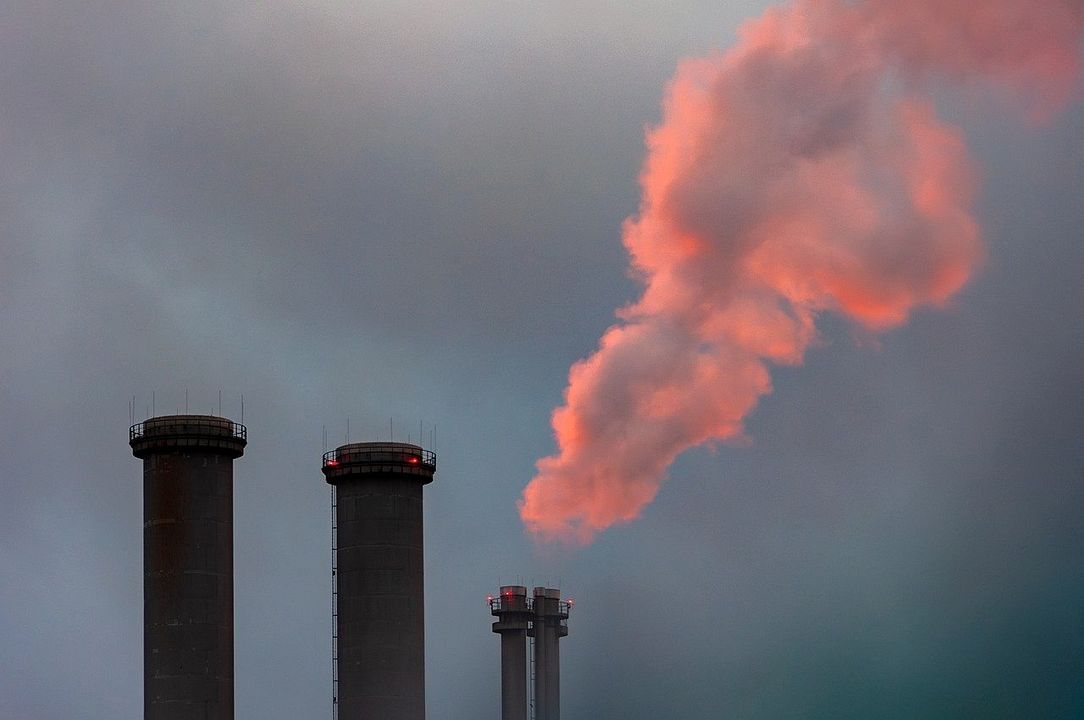
Livestock farming contributes significantly to greenhouse gas emissions, primarily through methane released by ruminant animals like cows. Deforestation to create pastureland further exacerbates the problem. Furthermore, the water and land use associated with raising animals is substantial. Alternative proteins, particularly those produced through precision fermentation, often require significantly less land, water, and energy compared to conventional animal agriculture.
Health and Ethical Considerations
Beyond environmental concerns, many consumers are increasingly aware of the potential health and ethical issues associated with intensive animal farming. Alternative proteins offer a way to enjoy the nutritional benefits of meat without the moral concerns. Plus, the controlled and precise manufacturing means alternative options can be tailored with enhanced nutrition profiles, reduced allergens, and zero antibiotics or hormones.
Cultured Meat: Meat Without the Animal
Cultured meat, also known as cell-based meat or lab-grown meat, is produced by cultivating animal cells in a bioreactor. This process eliminates the need to raise and slaughter animals. The technology involves taking a small sample of animal cells and providing them with the nutrients and conditions they need to multiply and differentiate into muscle tissue. The process is similar to brewing beer. Though it still has its hurdles in terms of scalability and reducing production costs, tremendous strides have been made in this nascent field.
The Production Process
The process typically begins with extracting cells from a live animal. These cells are then placed in a nutrient-rich growth medium, allowing them to multiply exponentially. Once sufficient biomass is achieved, the cells are differentiated into muscle and fat cells, which can then be assembled into familiar meat products like burgers or sausages. New developments are leaning into plant-based scaffolds to help shape the tissue produced.
Key Players in the Cultured Meat Industry
Companies like Upside Foods and Aleph Farms are leading the charge in the cultured meat industry. Upside Foods has already received regulatory approval for its cultured chicken in the United States. Aleph Farms is focusing on producing cultured steak. These companies are at the forefront of developing the technology and navigating the complex regulatory landscape. These ventures have attracted substantial foodtech VC investment, showcasing the growing confidence in the potential of cultured meat to disrupt the global food system.
“Cultivated meat presents an opportunity to transform our food system, making it more sustainable and resilient.” — AI Opinion
Precision Fermentation: A Microbial Revolution
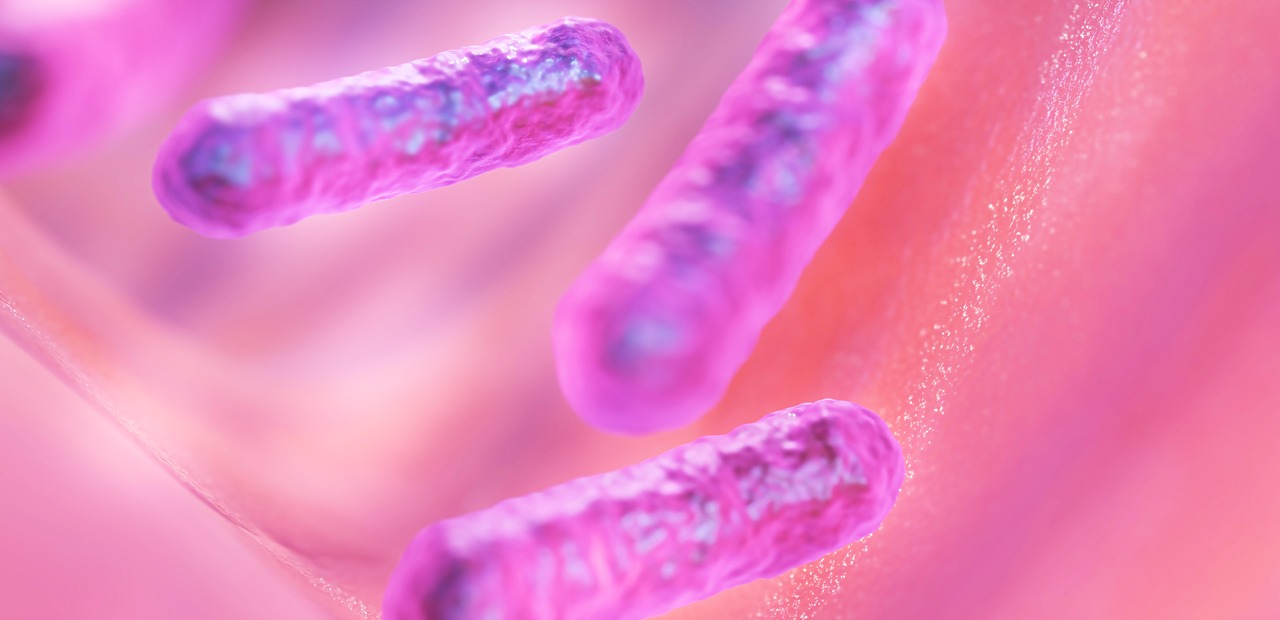
Precision fermentation is a technology that uses microorganisms, such as yeast or bacteria, to produce specific proteins. These microorganisms are genetically engineered to produce target molecules. This technology has shown success in producing milk proteins such as whey and casein without the need of cows, paving the way for animal-free dairy.
How Precision Fermentation Works
The process generally involves inserting a gene encoding the desired protein into a microorganism. The microorganism is then cultivated in a fermentation tank, where it produces the protein. The protein is then isolated and purified. A wide variety of proteins can be produced through fermentation, opening up avenues for novel ingredients in the food industry.
Applications of Precision Fermentation
Beyond animal-free dairy, precision fermentation is being used to produce a wide range of other ingredients, including egg proteins, collagen, and even heme, the iron-containing molecule that gives meat its distinctive flavor. These ingredients can be used to improve the taste, texture, and nutritional value of plant-based foods. Startups in this business are rapidly expanding what is possible by leveraging technology.
Leading Fermentation Startups
Perfect Day is at the forefront of the fermentation startups, known for its animal-free dairy proteins. Clara Foods is developing egg proteins through fermentation. These companies have attracted significant investment and are partnering with major food companies to bring their products to market. Investors are now putting a lot of money into the possibility. The products taste and function like the desired options.
The Role of Foodtech VC and Sustainability Investing
The growth of the alternative protein market is being fueled by significant investment from foodtech VC firms and sustainability investing initiatives. Investors recognize the massive potential of these technologies to address the environmental and health challenges associated with traditional agriculture. Venture capital firms are investing heavily in both cultured meat and precision fermentation startups, providing them with the capital they need to scale their production and bring their products to market.
Investment Trends
Investment in the sector has increased drastically over the last decade led global VC firms and specialized investors interested in tackling climate change through innovation. While profitability is still a hurdle since many lack substantial sales figures, companies are now focusing on reducing capital expenditure in order to reach production level. The influx reflects a growing recognition of the long-term potential of alternative proteins to disrupt the global food system.
Challenges and Opportunities
Despite the remarkable progress, the alternative protein market faces challenges. Scalability, cost, and regulatory hurdles remain major obstacles. Consumer acceptance is crucial. Addressing these challenges requires continued innovation, increased investment, and supportive government policies. But what is coming to light is that there are real opportunities. As technology advances and production costs come down, alternative proteins are likely to become increasingly competitive with conventional animal products. This requires additional research which requires heavy funding.
| Factor | Cultured Meat | Precision Fermentation |
|---|---|---|
| Raw Material | Animal Cells | Microorganisms |
| End Products | Meat Products: Chicken, Beef, Pork | Protein Ingredients: Milk, Egg, Collagen, Heme |
| Scalability | Faces Challenges; Depends on Bioreactor Size & Cost | Relatively Easier; Can be scaled using well-established fermentation techniques |
| Regulatory | Subject to complex and evolving rules | Regulatory Framework well defined for food ingredient approval |
| Consumer Perception | May face resistance from consumers | Better public perception as fermentation is familiar process used in foods |
The Future of Protein
Cultured meat and precision fermentation represent significant steps toward a more sustainable and resilient food system. As technology advances, prices decline, and consumer acceptance grows, these alternative proteins have the potential to transform the way we produce food and feed the world. Continued innovation and investment in this sector are crucial to building a future where protein is both abundant and sustainable. The future is here; now is a perfect time to bet on cultured meat and precision fermentation.